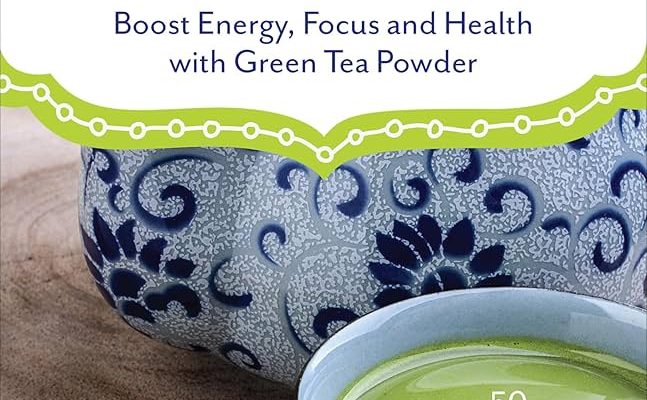
Matcha is a Japanese green tea obtained by finely grinding the leaves Camellia sinensis. Unlike traditional teas, consumption of the whole leaf allows full absorption of nutrients, providing a high quantity of catechins, L-theanine, vitamins and minerals. These bioactive compounds support overall health, metabolism, sustained energy and cognitive functions.
The bioactive composition of matcha and antioxidants
Matcha leaf contains catechins, specifically epigallocatechin gallate (EGCG), an antioxidant documented to reduce oxidative stress and protect cells. EGCG contributes to the reduction of inflammation, protects the cardiovascular system and supports the prevention of chronic diseases. Furthermore, matcha provides vitamins (A, C, K) and minerals (manganese, zinc, magnesium), essential for maintaining the body’s balance.
Catechins and metabolism
Catechins stimulate thermogenesis and lipid metabolism, promoting weight control and fat burning. Regular consumption of matcha can help regulate blood sugar and insulin levels, optimizing energy consumption and helping maintain a healthy body weight.
Sustainable energy and cognitive stimulation
Matcha provides natural caffeine, released gradually thanks to L-theanine, an amino acid that modulates stimulation and prevents the negative effects of coffee. This combination increases alertness, working memory and the ability to concentrate. L-theanine stimulates alpha brain waves, associated with alert relaxation and optimal cognitive performance.
Effects on stress and anxiety
L-theanine reduces cortisol levels and regulates neurotransmitters, helping to reduce anxiety and support mental clarity. Regular consumption of matcha can protect neurons and improve cognitive function in the long term.
Benefits for the cardiovascular and immune system
The polyphenols and antioxidants contained in matcha help reduce LDL cholesterol and maintain the elasticity of blood vessels. Minerals and vitamins strengthen the immune system, increasing the body’s resistance to infections and supporting endogenous antioxidant mechanisms.
Integrate matcha into your daily routine
Matcha can be consumed daily, prepared traditionally with hot water or integrated into smoothies and healthy recipes. Constant consumption maximizes the benefits in terms of health, energy and concentration, supporting cognitive performance and cellular protection.
Conclusion
Matcha is a scientifically proven natural supplement with multiple effects on health, energy and concentration. The high intake of catechins, L-theanine and micronutrients provides sustained energy, antioxidant protection and supports cognitive function. Integrating matcha into your daily routine supports metabolism, mental performance and cardiovascular health, being recommended for prevention and maintenance of an active lifestyle.
latest posts published
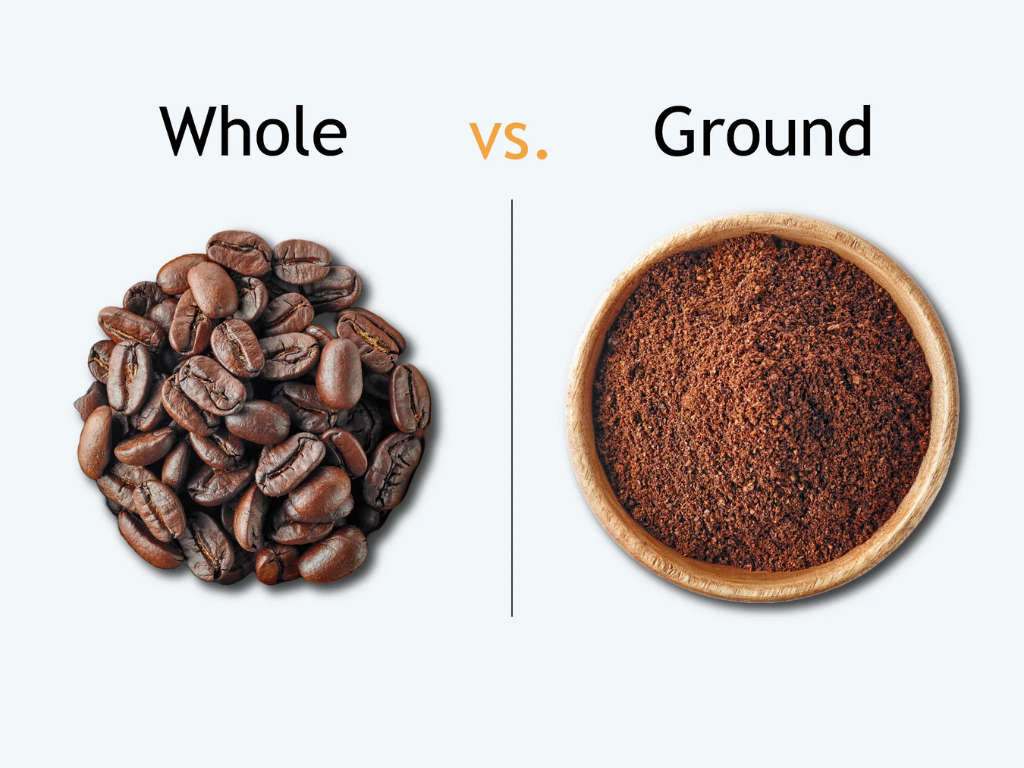
Because freshly roasted coffee is better

How do you take care of your coffee machine?

What type of coffee does TOGO recommend if you have heartburn?
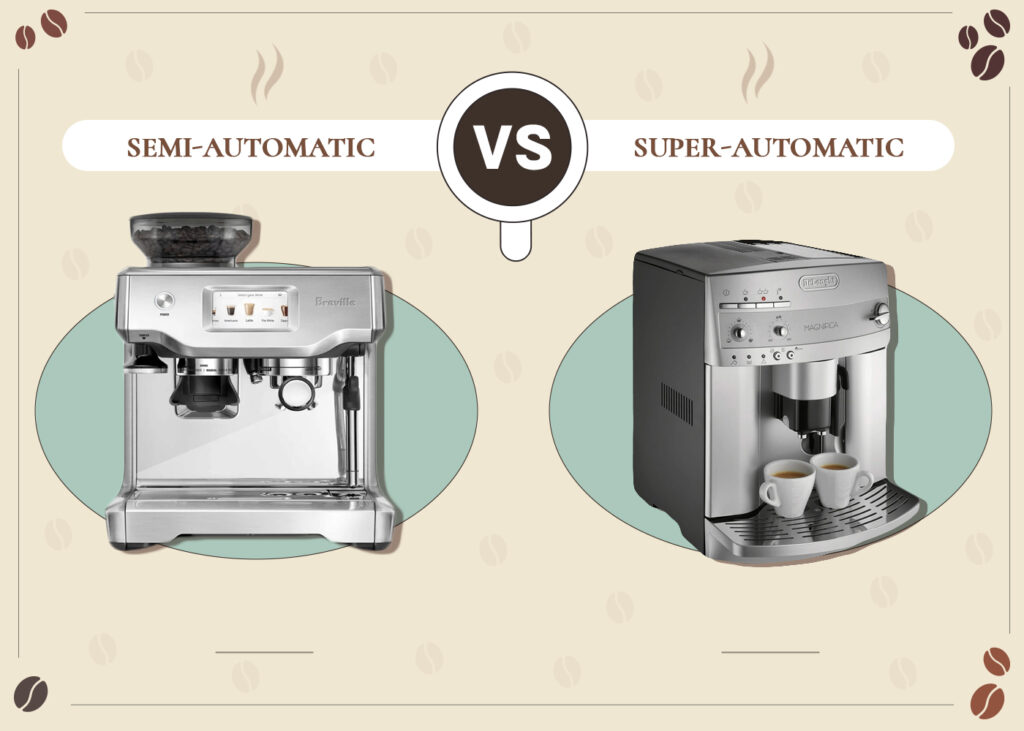
Automatic or manual espresso machine for home?

How we choose specialty coffee

Inspiration: Special coffees that win hearts

Discover the impact of sustainability in the specialty coffee industry

Coffee from Ethiopia – The birthplace of coffee and the treasure of natural flavors
settings, dosage and practical tricks