

Making coffee seems like a simple process, but there are many small mistakes that can affect the final taste, even if you use the best beans. Whether you’re a coffee novice or a connoisseur, avoiding these common mistakes can significantly improve the quality of every cup. Here they are the top 5 most common mistakes made when preparing coffee and how to avoid them to get the best experience.
1. Using old coffee beans
The freshness of the coffee beans is essential to obtain a quality drink. Whether you use an espresso machine, moka pot, filter, or kettle, old coffee loses its oils and complex flavors, resulting in a bland, lackluster beverage. The ideal solution is to purchase freshly roasted and ground coffee before brewing. Store the beans in an airtight container (TOGO bag), away from light and moisture. For espresso, freshness is even more important, as this method brings out the finest details of the coffee.
2. Incorrect coffee grinding
The correct grinding varies depending on the preparation method:
- Expressed: requires a fine grind, close to the consistency of icing sugar.
- Mocha: requires a medium-fine grind, slightly coarser than espresso.
- Filter: you need to use a medium-coarse grind, similar to coarse salt.
- Kettle: Very good.
Improper grinding leads to incorrect extraction: too fine can lead to a bitter taste (over-extraction), while too coarse will make the coffee tasteless (under-extraction). The perfect solution is to use a quality grinder with conical discs that can be adjusted for each grinding method. Investing in a good coffee grinder gives you precise control over the grind, or if you don’t have a coffee grinder, all specialty coffee shops, including online ones, have the ability to grind your coffee to the brew method when you order it.
3. Incorrect ratio of coffee to water
A common mistake is using the wrong amount of coffee to water, which affects the final taste. For each method there is an optimal ratio:
- Expressed: the rule is usually 1:2 (for example 18 g of coffee for 36 ml of espresso).
- Mocha: fill the coffee compartment without pressing, generally using a 1:7 ratio (15 g of coffee per 105 ml of water).
- Filter: the ideal ratio is 1:15 (20 g of coffee per 300 ml of water).
Kettle : A standard ratio for kettle coffee is 1:10 – i.e. 10 g of coffee per 100 ml of water. If you want a more intense coffee you can adjust the ratio to 1:9, but it is important not to overdo it to avoid a bitter or excessively strong taste.
Measure quantities using a kitchen scale to maintain the correct ratio. Adjust according to personal preference, but respect the general proportions to obtain the right balance between intensity and flavor of the coffee.
4. Incorrect water temperature
Water temperature directly influences flavor extraction. Water that is too hot can burn the coffee, while water that is too cold can cause insufficient extraction. Each method requires a different temperature:
- Expressed: the optimal temperature is between 90-95°C.
- Mocha: use hot water to speed up the process and avoid overheating the coffee.
- Filter: the ideal temperature is between 90-96°C.
- Kettle : The ideal is to prepare the coffee in the kettle on low heat and stop the process as soon as the foam begins to form and the coffee begins to rise, without boiling. This occurs at a temperature of approx 92-96°Cwhich guarantees correct extraction of flavors without damaging them.
5. Using low quality water
it is as important as coffee. Water with a high chlorine or mineral content will negatively affect the taste, and distilled water (without minerals) can lead to insufficient extraction, affecting the strength of the drink.
- Expressed: Hard water can clog the espresso machine and alter its taste.
- Mochafilterkettle: the minerals present in the water contribute to optimal flavor extraction, but water that is too hard can leave an unpleasant taste.
Use filtered or bottled water with optimal mineral balance for all methods. If you live in an area with hard water, a filter can make a big difference in the quality of your coffee.
Conclusion
Whether you use an espresso machine, a moka pot, a filter or a kettle, the success of a perfect cup of specialty coffee depends on attention to detail. From the freshness of the beans and the right grinding to the proportion and temperature of the water. By avoiding these common mistakes you will be able to enjoy all the complexity of specialty coffee.
latest posts published
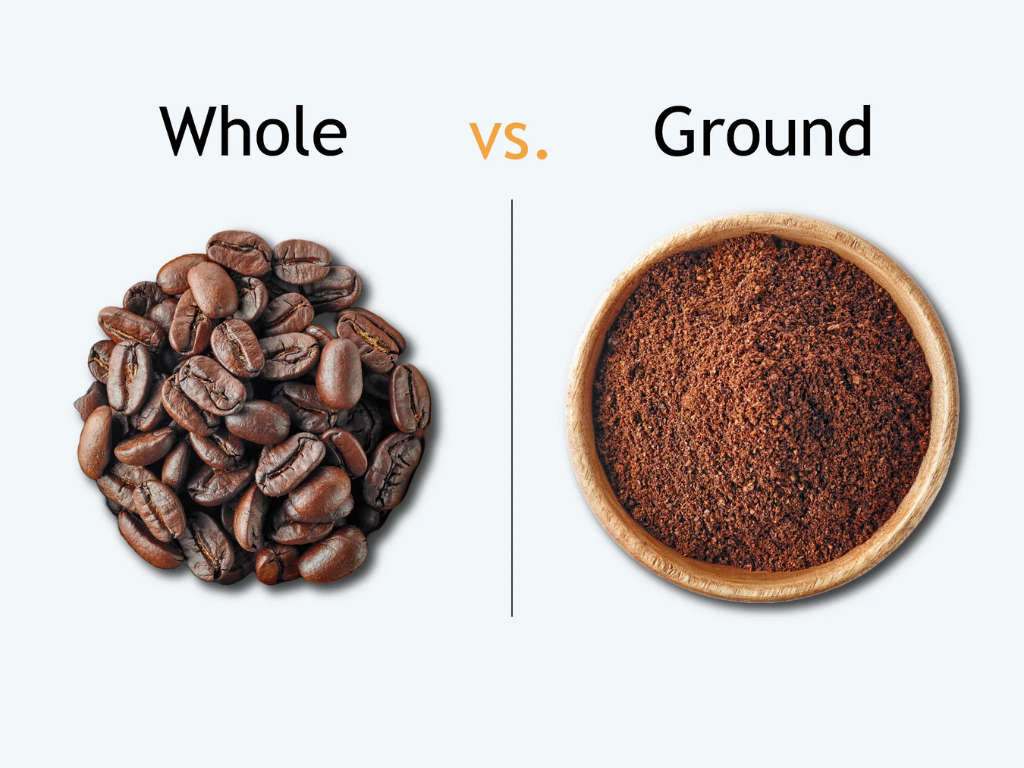
Because freshly roasted coffee is better

How do you take care of your coffee machine?

What type of coffee does TOGO recommend if you have heartburn?
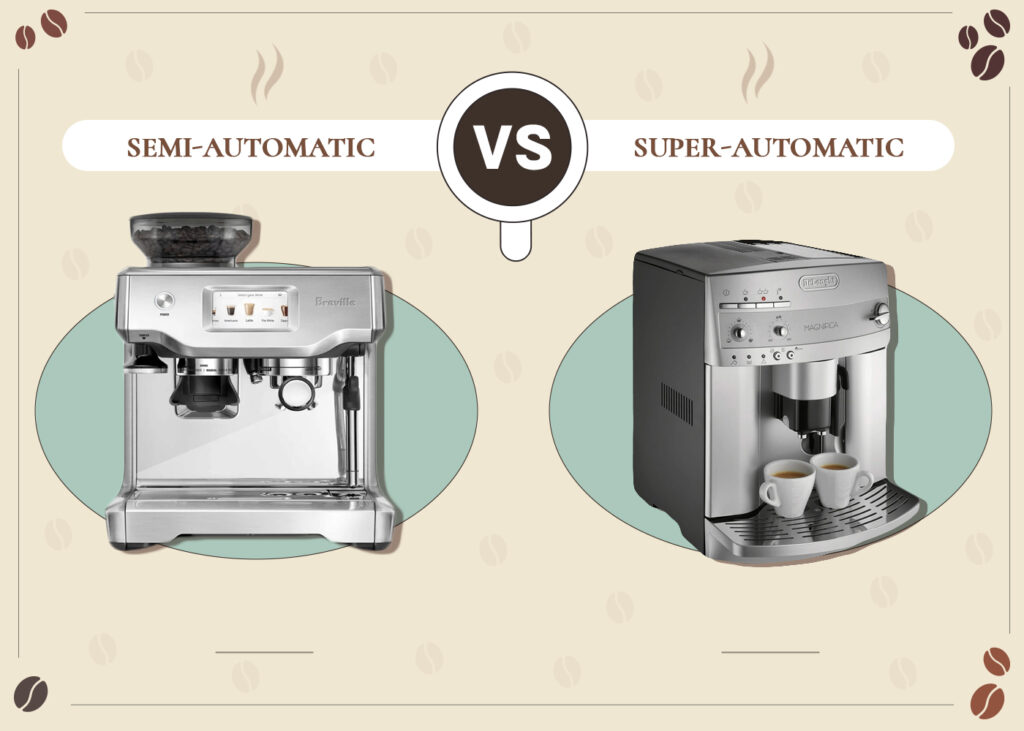
Automatic or manual espresso machine for home?

How we choose specialty coffee

Inspiration: Special coffees that win hearts

Discover the impact of sustainability in the specialty coffee industry
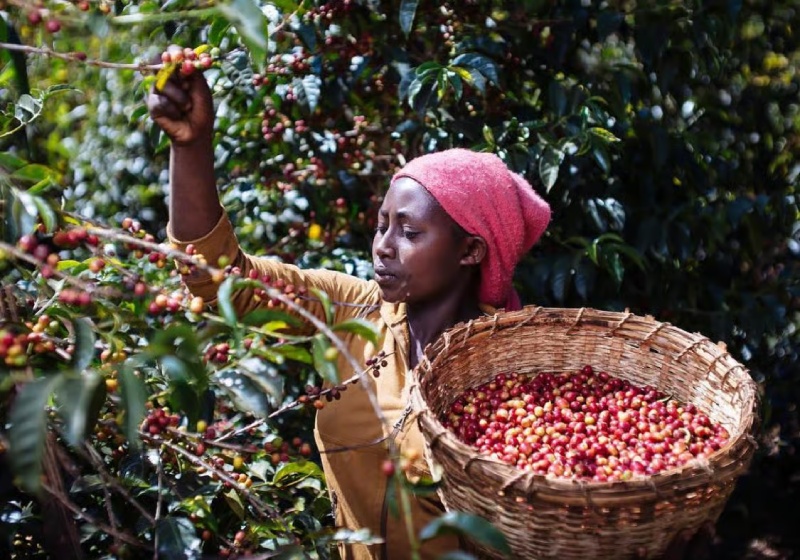
Coffee from Ethiopia – The birthplace of coffee and the treasure of natural flavors
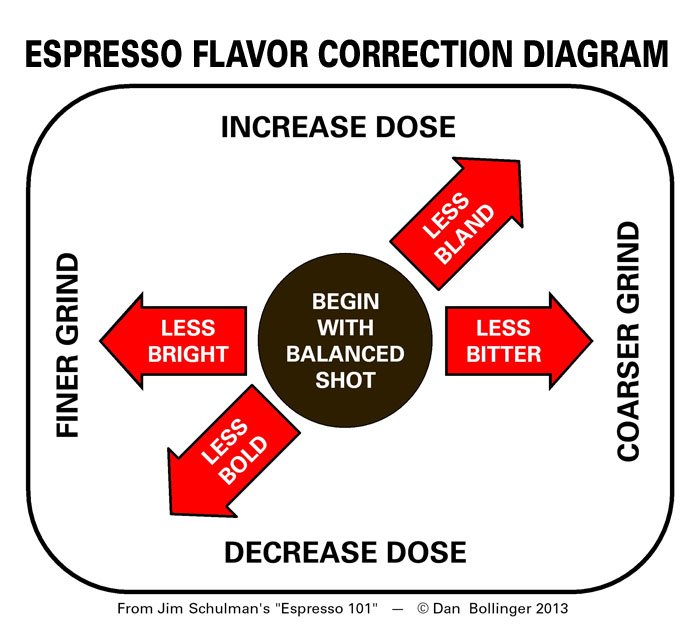
settings, dosage and practical tricks