

1. The genetic characteristics of the Coffee Arabica species
Arabica coffee, known by its botanical name Coffea arabicait is a species with a more complex and delicate genetic profile than Robusta (Coffea canefora). This biological aspect translates directly into higher production costs, as the plant is less resistant to diseases, climatic stress and humidity variations. Due to this genetic fragility, farmers are forced to apply additional protection measures, controlled irrigation, soil monitoring and precision fertilization, which contribute to increasing the cost per kilo of coffee obtained.
2. Soil and climate conditions necessary for cultivation
Arabica coffee grows best at altitudes between 1,000 and 2,200 meters, in equatorial or subtropical regions with moderate temperatures, usually between 15 and 24 degrees Celsius. These conditions are present only in limited geographic areas, and the land available in such regions is limited and expensive. Furthermore, difficult access to plantations located in mountainous areas implies high logistical investments for the transportation, harvesting and processing of cereals, including additional costs for road infrastructure, energy and human resources.
3. Impact of post-harvest processing methods
Arabica coffee processing involves more sophisticated and expensive methods, such as full washing (washed) or controlled fermentation, which aim to fully extract the aromatic potential. These processes require special equipment, laboratories for sensory and microbiological testing, as well as educated and well-paid human resources. In addition to the investment in technology, longer processing times contribute to a decrease in total yield, which is inevitably reflected in the final price of the product.
4. Selection and sorting standards
Specialty Arabica coffee goes through rigorous selection phases, both at the harvest level and in the post-processing sorting phase. Optical scanning systems, manual sorting, classifications by degree of density, size and visible defects are used. These procedures eliminate a considerable percentage of the harvest, as only beans with high sensory potential are retained for premium export batches. Therefore, manufacturers consciously assume technological losses to maintain a high quality standard, but such losses incur an additional cost per unit of product sold.
5. Market factors and dynamics of global demand
Demand for premium Arabica coffee has grown steadily over the past two decades, particularly in the developed markets of Europe, North America and Southeast Asia. At the same time, climate change, volatile commodity prices and geopolitical instability in producing regions have reduced stable production capacity. This combination of accelerated demand and limited supply generates inflationary pressure on the price of Arabica coffee, especially in specialty segments where traceability and sustainability are essential.
6. Certifications and traceability in the supply chain
High-quality Arabica coffee is often associated with certifications such as Fair Trade, Organic, Rainforest Alliance or Direct Trade. Achieving these certifications requires regular audits, compliance with rigorous sustainability standards, digital traceability and ethical labor policies. All of these components generate compliance and maintenance costs, which are directly reflected in the price of grain. Furthermore, short supply chains with direct relationships between farmers and roasters lead to higher purchase prices, but offer image and loyalty advantages among consumers.
7. Perception of luxury and sensorial value
Arabica coffee is considered a niche product, often associated with refinement, sensorial experience and the ritual of tasting. Premium brands invest in positioning marketing, oxygen barrier packaging design, degassing valves and campaigns that inform consumers about the flavor notes and origin of the beans. This perceived added value not only reflects the cost of raw materials, but also investments in brand education, storytelling and multi-sensory experience, which justify a premium price in the end market.
Conclusion
Specialty coffee is more expensive not only because of its prestige, but as a direct result of biological complexity, agronomic challenges, meticulous processing, and perceived value in the consumer chain. From a technical and economic point of view, the price difference between Arabica and other types of coffee is justified by objective and quantifiable factors, essential for providing a high quality product. Therefore, each cup of Arabica coffee represents not only a refined taste, but also an investment in a sustainable, transparent and demanding system.
latest posts published
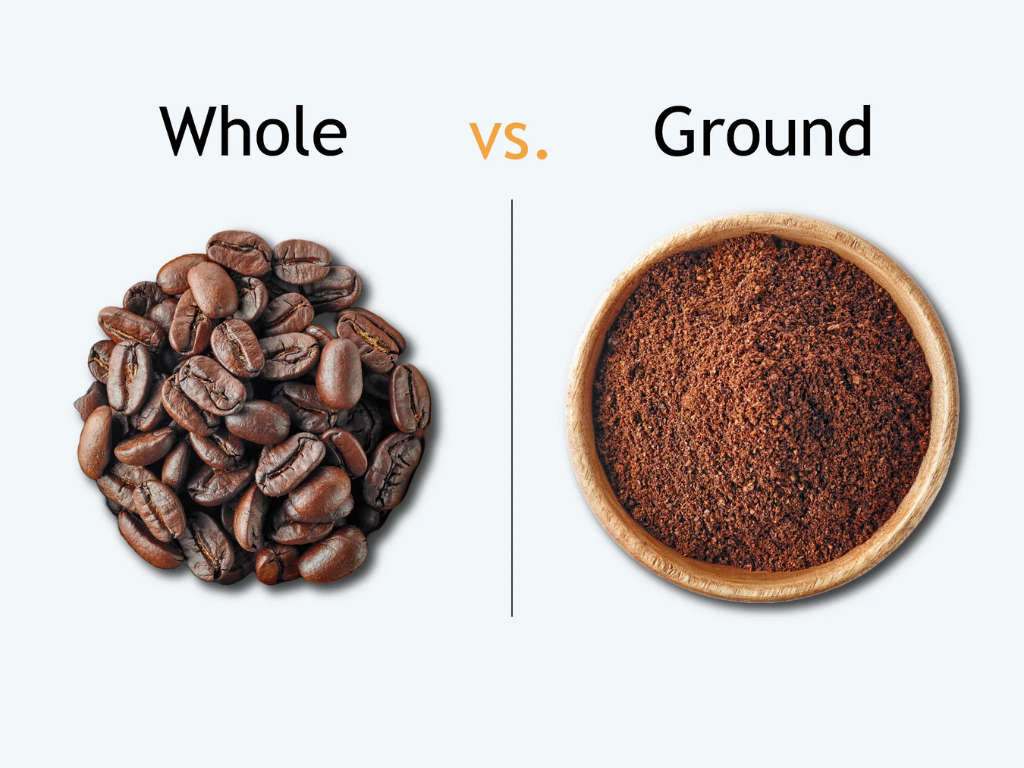
Because freshly roasted coffee is better

How do you take care of your coffee machine?

What type of coffee does TOGO recommend if you have heartburn?
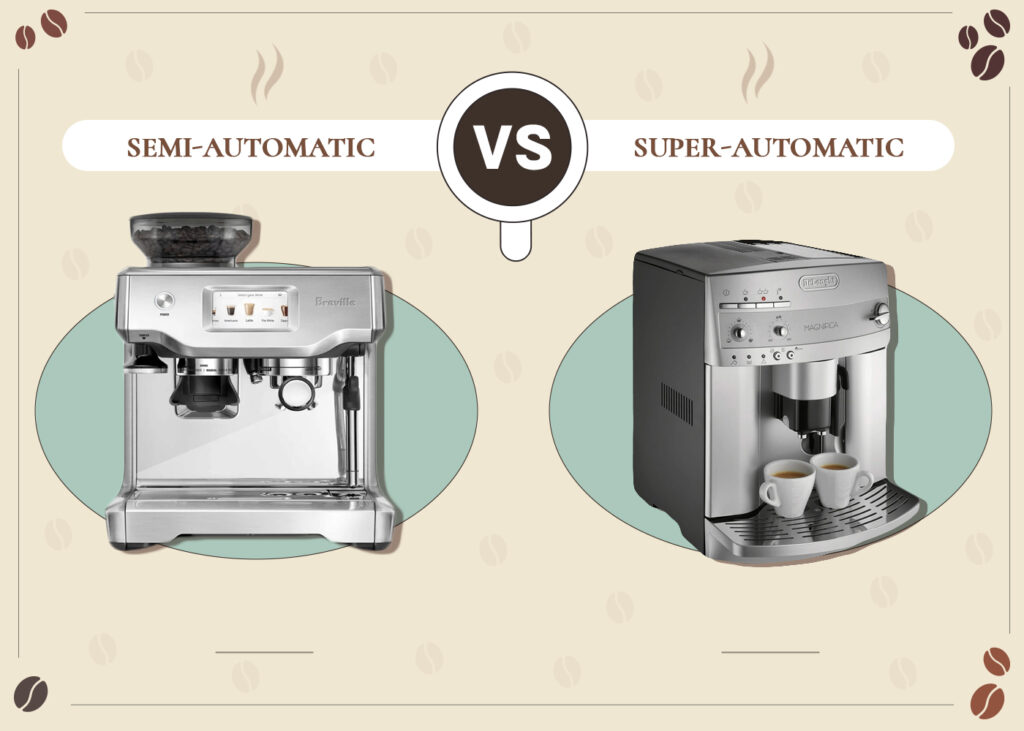
Automatic or manual espresso machine for home?

How we choose specialty coffee

Inspiration: Special coffees that win hearts
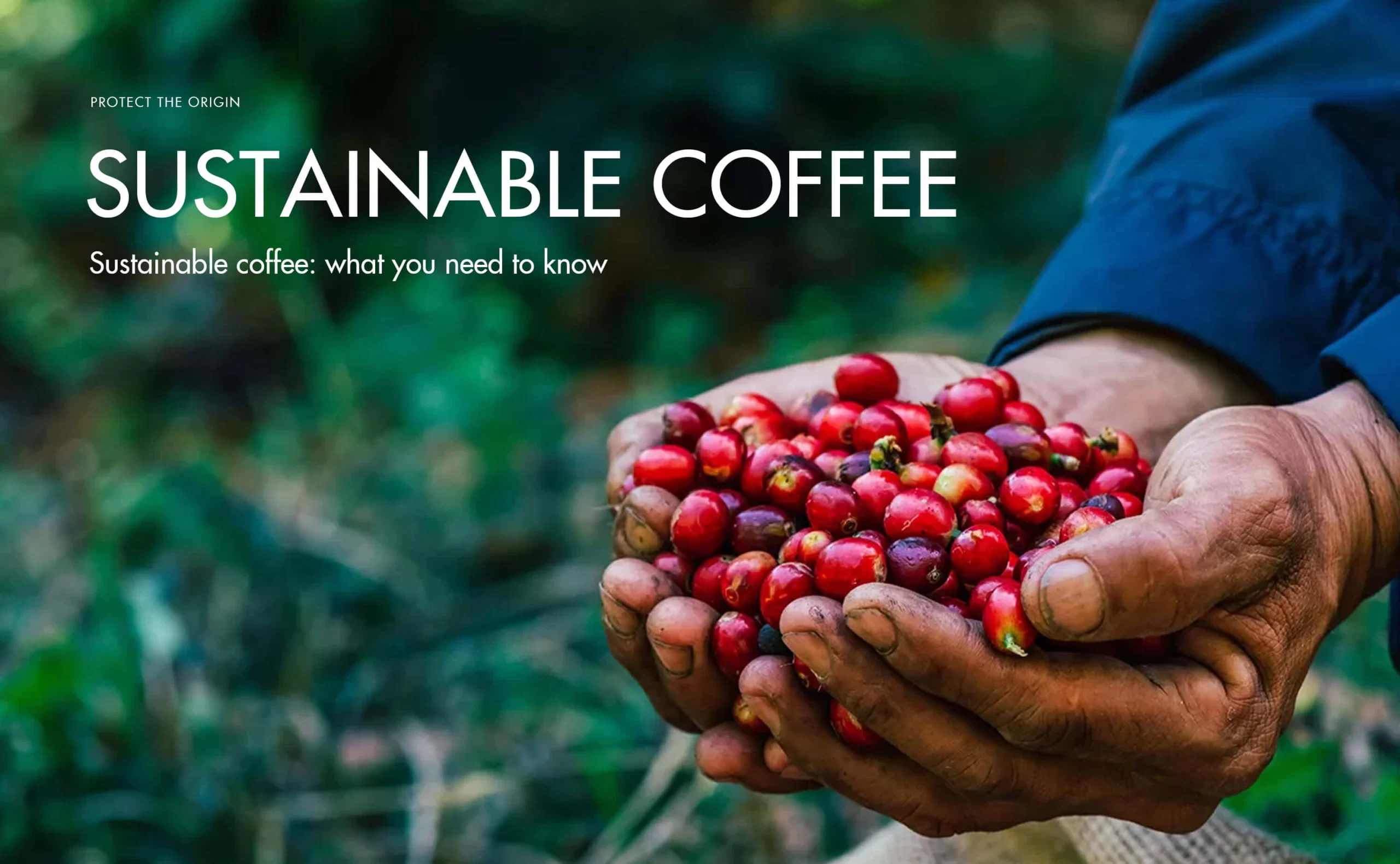
Discover the impact of sustainability in the specialty coffee industry
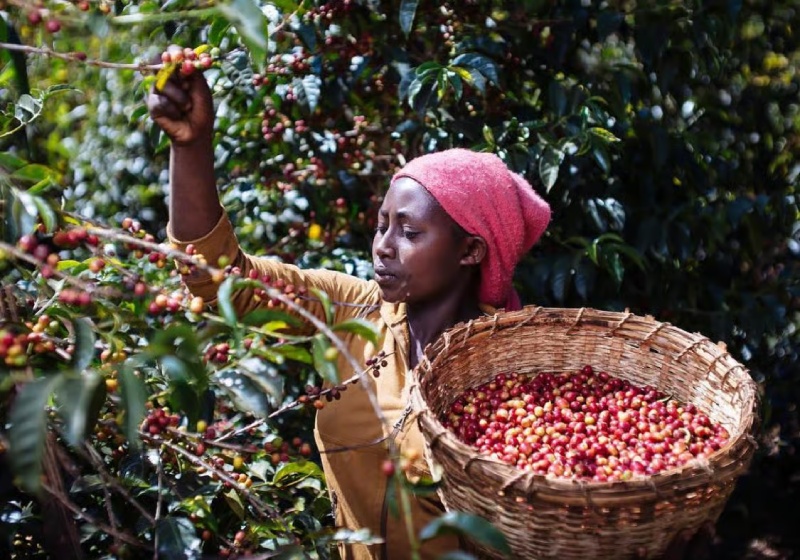
Coffee from Ethiopia – The birthplace of coffee and the treasure of natural flavors
settings, dosage and practical tricks