
Italy is recognized as the home of espresso and refined coffee culture. Whether we are talking about an intense espresso, a creamy cappuccino or a concentrated restricted coffee, Italian coffee has become a symbol of authentic taste and a daily ritual. For Italians, coffee is not just a drink, but a real lifestyle, a moment of respite and an expression of tradition.
A story full of flavor
Coffee arrived in Italy in the 16th century, brought from the Middle East through the ports of Venice. It was initially considered a luxury for aristocrats and intellectuals, but its popularity quickly grew, becoming an integral part of Italian culture. At the end of the 19th century, the invention of the espresso machine revolutionized the way coffee was prepared and Italy became a leader in the art of espresso coffee. The great cafés of Milan, Rome and Naples have played a fundamental role in spreading this custom, transforming it into a real social experience.
What makes Italian coffee special?
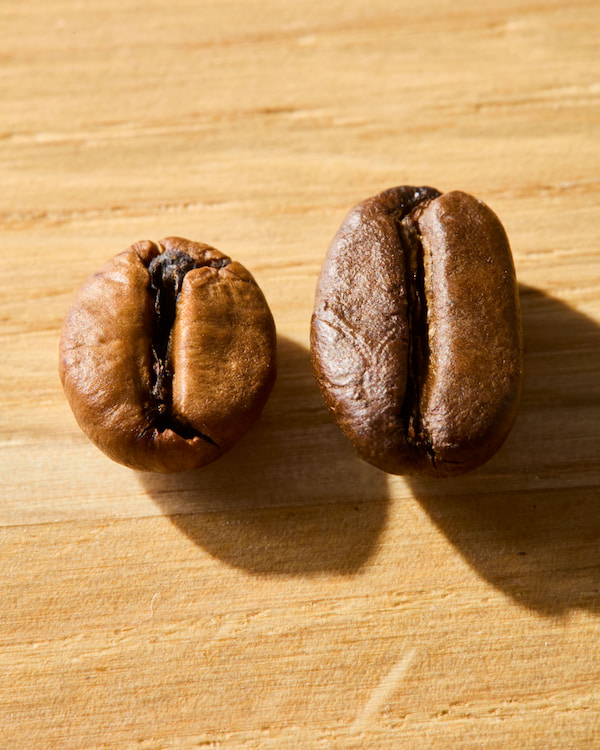
One of the things that distinguishes Italian coffee from other styles is the roasting process. Italians prefer a more intense roasting, which gives the beans firmness and a balanced taste, without excessive acidity. The blends used are usually a balance between Arabica and Robusta, offering creaminess and full body. Italian espresso is distinguished by its layer of dense cream, golden brown in colour, a sign of correct extraction and quality coffee.
The coffee ritual in Italy
Italy is recognized not only for the exceptional quality of its coffee, but also for the strict rules that accompany its consumption.

Espresso, the symbol of Italian coffee, is drunk quickly, usually at a bar, in a cup, without adding milk or sugar, to taste its authentic flavour. This habit reflects the attentive lifestyle of Italians, but also their respect for the quality of coffee. For those who prefer a more concentrated version, the Ristretto is the ideal choice: a coffee shorter than espresso, with an intense flavor and a high caffeine content. At the opposite pole, lungo is the more diluted, but equally fragrant version, ideal for those who want to prolong the pleasure of enjoying a coffee.
In Italy the morning is reserved for cappuccino, a balanced combination of espresso and foamed milk with a fine consistency and velvety taste. In Italian culture, drinking cappuccino after 11 am is considered inappropriate, as milk is considered difficult to digest. Those who want a lighter version can opt for the caffè macchiato, an espresso macchiato with a little milk foam, which maintains the intensity of the coffee but with a subtle creaminess.

In addition to these classic varieties, Italy also has other specialty coffees, each with a distinct character. Marocchino, a popular specialty in the north of the country, combines espresso with foamed milk and cocoa powder, offering a balanced experience between bitter and sweet. Correct coffee is particularly preferred at the end of a meal, being a «correct» espresso with a splash of liqueur, such as grappa or sambuca, which adds a warm and refined touch to the drink.
In Turin, Bicerin is an iconic drink, combining distinct layers of hot chocolate, espresso and whipped cream, served in a glass to highlight the visual contrast. On hot days, many Italians prefer shakerato, a refreshing espresso shaken with ice and served frothy in an elegant glass.
For those who want a caffeine-free alternative, barley coffee is a popular choice. This roasted barley drink mimics the taste of coffee and is often consumed in the evening or by those who avoid caffeine. Another interesting option is ginseng coffee, a coffee with ginseng extract, appreciated for its slightly sweet taste and energizing properties.
These local traditions and preferences shape the identity of Italian coffee and highlight the deep respect that Italians have for this drink. Each cup is an expression of art and passion for coffee, and the unwritten rules that accompany its consumption do nothing but amplify its charm and authenticity.
Famous brands and the tradition of coffee at home
Names like Lavazza, Illy, Kimbo, Vergnano or Segafredo are synonymous with the quality and tradition of Italian coffee. Each brand has its own roasting and bean selection philosophy, but they all adhere to the basic principle of Italian coffee: authentic taste and texture. In Italian homes, the moka is indispensable. This small metal coffee maker, invented by Alfonso Bialetti in 1933, is the most used method for preparing coffee at home. Unlike espresso made at a bar, coffee prepared with a mocha is less creamy, but retains the intensity and richness of the flavours.

Italian coffee is more than a drink: it is a ritual, a way to slow down the pace of life and savor every moment. From the quick espresso enjoyed in the morning in a crowded coffee shop in Rome, to the carefully brewed coffee at home in the moka pot, Italy has managed to turn a simple drink into an art. By drawing inspiration from this culture, we can learn to appreciate more the small moments and simple pleasures of life.
If you want to enjoy an authentic Italian espresso at home, discover our selection of Italian coffees on Espresso Cafe!
Here are some of the Italian coffees we sell:
latest posts published
The Golden Café turmeric recipe
Definition: Hazelnut coffee – Cafés Méo
The definitive guide to coffee capsules: compatibility, flavors and problems for the planet

Is coffee high in calories?
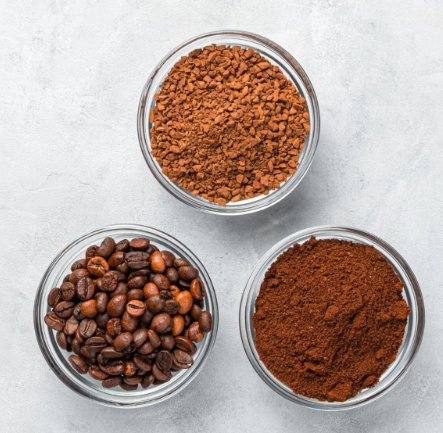
What is the difference between instant and ground coffee?
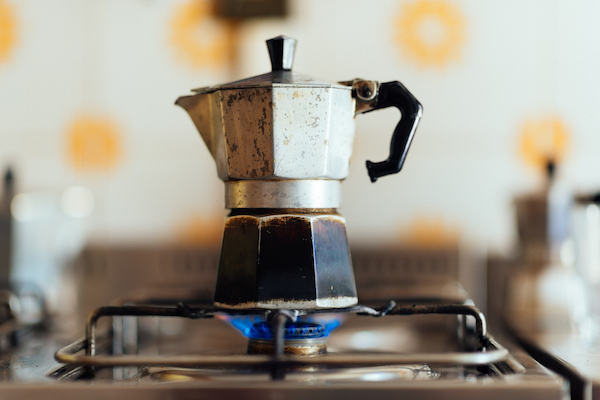
How to make Italian coffee

Cold Brew: history and recipe for a refreshing revolution
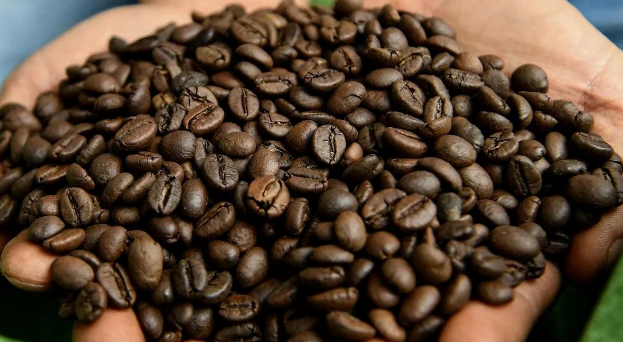
What is robusta coffee?
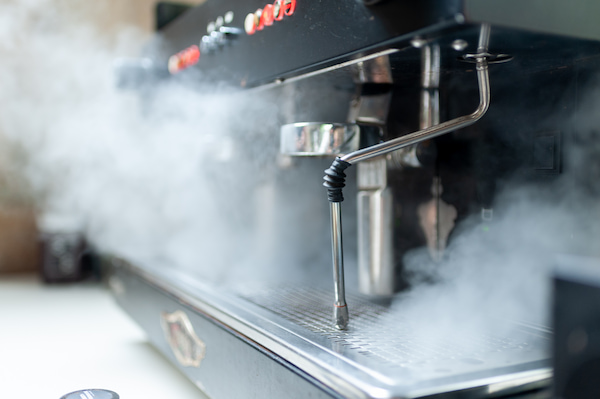
How to clean the coffee machine