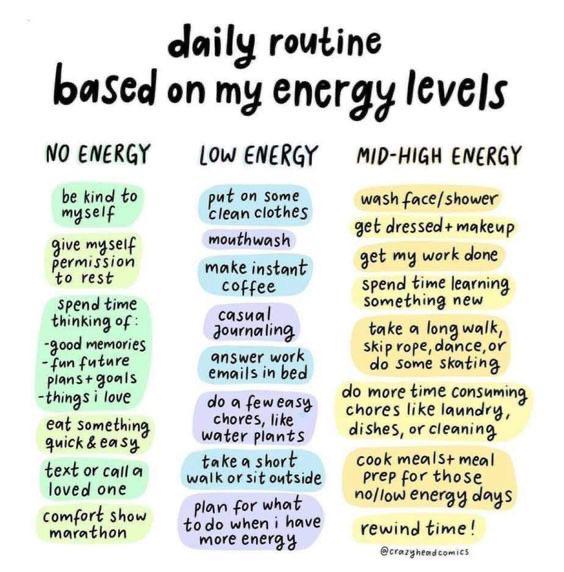

The specialty coffee industry is at the center of an ecological, economic and social revolution. Choosing sustainable coffee doesn’t just mean it tastes better, it also means supporting a global supply chain that protects the environment, supports farmers and redefines production standards. In this blog we will explore the real impact of sustainability at every stage of the specialty coffee journey, from farm to cup.
1. Sustainable agriculture
Sustainability starting from specialty coffee plantations is essential to guarantee the future of the sector. Ecological agricultural practices, such as the use of organic compost and growing coffee in shaded areas, contribute to maintaining biodiversity and soil fertility.
Furthermore, protecting water sources and avoiding chemical pesticides reduces environmental impact and improves grain quality. In Ethiopia, for example, many cooperatives are adopting reforestation methods to counteract the effects of climate change on crops.
2. Climate change and coffee
Rising global temperatures and extreme weather events threaten specialty coffee-producing regions. In many areas of Central America and Africa, farmers are reporting massive crop losses due to drought or heavy rains. Studies show that by 2050, nearly half of the land suitable for growing specialty coffee could become unsuitable for cultivation.
To combat this trend, farmers are adopting practices such as growing heat-tolerant varieties and using efficient irrigation technologies. However, the transition is slow and requires financial support and education.
3. Sustainability certifications
Certifications such as , Rainforest Alliance AND Organic they represent points of reference in the identification of sustainable coffees. These labels guarantee that production meets strict standards regarding environmental protection and farmers’ working conditions.
For example, Fair Trade ensures fair prices for farmers and Rainforest Alliance promotes farming methods that protect rainforests. While these certifications offer security, they also incur additional costs for manufacturers, making it difficult for many small companies to obtain them.
4. Reduce your carbon footprint
The specialty coffee supply chain, from plantations to consumers, generates a significant amount of carbon emissions. Intercontinental shipping, wet processing (which uses large amounts of water), and plastic packaging contribute to pollution.
Currently, many roasters and distributors are investing in reducing their carbon footprint by using compostable packaging and supporting green logistics.
5. The role of farmers in the sustainable supply chain
Farmers are the backbone of the specialty coffee industry, but they often face the biggest challenges. Low incomes and lack of access to resources make it difficult to implement sustainable practices.
Education and funding are essential solutions. Initiatives such as microfinance programs allow farmers to invest in efficient and environmentally friendly technologies. At the same time, cooperatives play a crucial role in sharing resources and supporting local communities.
6. Sustainable technologies are transforming industry
Technological innovation accelerates the transition towards sustainability. Technologies such as blockchain provide complete traceability, allowing consumers to verify the origin of the coffee and production practices.
Furthermore, using drones to monitor plantations helps farmers optimize the use of resources, reducing costs and environmental impact. Roasting specialty coffees using renewable energy sources is becoming increasingly popular, being an important step in reducing emissions.
7. Consumers
Every choice consumers make influences the specialty coffee industry. Choosing certified sustainable coffee, supporting transparent brands, and avoiding coffee waste are ways coffee lovers can directly contribute to changing the industry.
It is also essential to educate the public on the importance of sustainability. Awareness campaigns and stories about coffee’s journey from farm to cup can increase interest in products that support ethical and eco-friendly practices. At TOGO, we are committed to providing the transparency and attention to detail we offer to every specialty coffee lover. Every product in our shop comes with complete information about the coffee’s origin, processing method and flavor profile, so you have all the details you need to make a perfect choice. For example, on the page dedicated to Divine Coffee Specialty coffee, you will discover the history of this coffee: from the farm where it is grown, to the unique aromatic notes it gives. Through this commitment to quality and transparency, at TOGO we transform every cup into an authentic and memorable experience.
Conclusion
Sustainability in the specialty coffee industry is not just an ideal, but an urgent need. From protecting the environment to supporting farmers to reducing global emissions, every step towards sustainability has a profound impact.
Choosing sustainable coffee doesn’t just mean having perfect taste, but taking on a global responsibility. With every cup we can support an industry that respects nature, people and the future of the planet.
latest posts published
Because freshly roasted coffee is better

How do you take care of your coffee machine?

What type of coffee does TOGO recommend if you have heartburn?

Automatic or manual espresso machine for home?

How we choose specialty coffee

Inspiration: Special coffees that win hearts
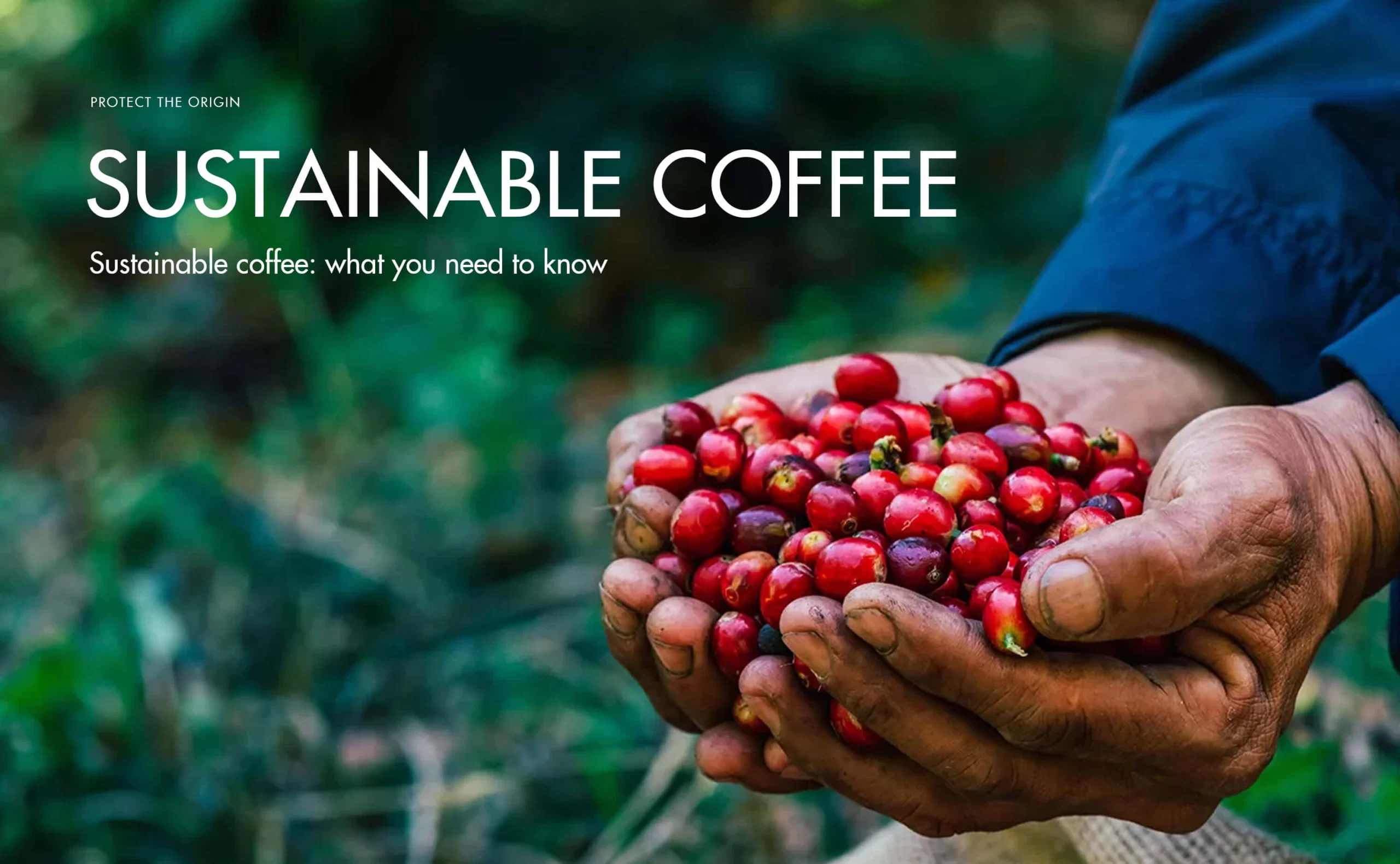
Discover the impact of sustainability in the specialty coffee industry
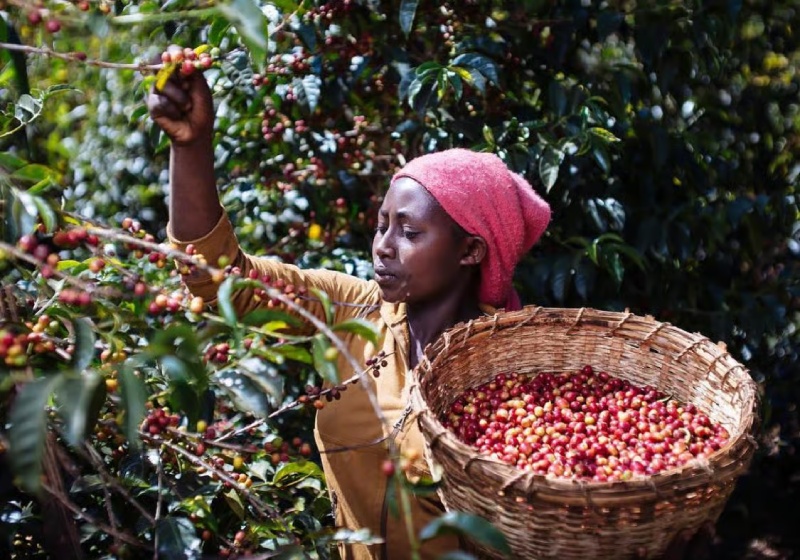
Coffee from Ethiopia – The birthplace of coffee and the treasure of natural flavors
settings, dosage and practical tricks