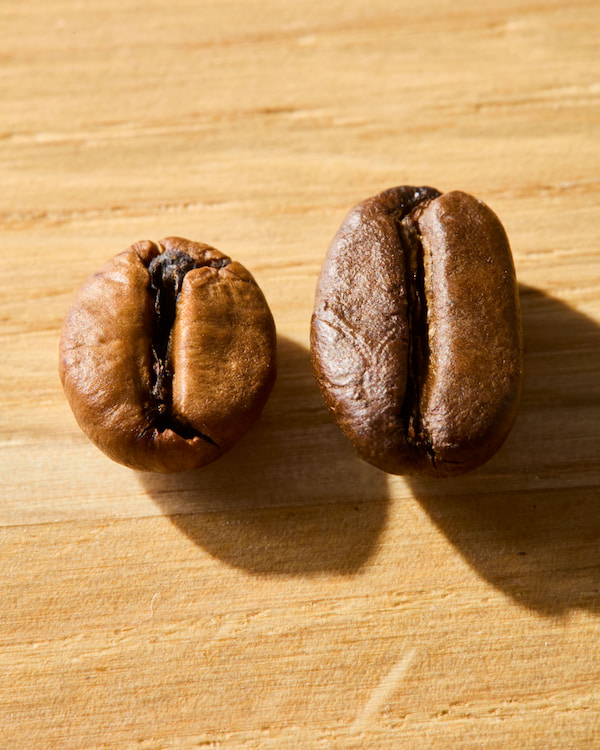
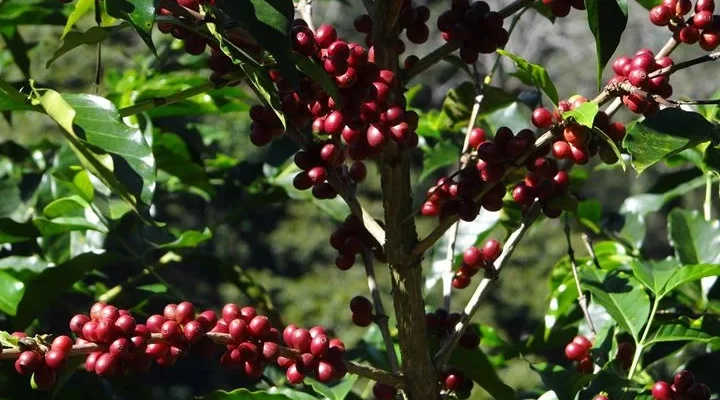
Coffee is one of the most popular drinks in the world and most of us can’t imagine starting our day without a cup of this stimulating beverage. But do you know where coffee comes from and how it is produced? This is where the coffee plant comes in. In this article we will delve into the fascinating world of the coffee plant, the tree that produces coffee.
Origin of coffee
The coffee plant, scientifically known as Coffea, is native to Africa, mainly Ethiopia, where it still grows in the wild. However, today coffee is grown in many parts of the world, Latin America, Asia and Africa. There are over 100 species of coffee plants, but the two most commonly grown varieties are Arabica and Robusta.
The transformation process
Once extracted from the cherries, the coffee beans undergo a manufacturing process that largely determines their flavor. There are two main processing methods: washing and sun drying.
Washed coffee involves the removal of the pulp from the coffee beans using a machine and subsequent washing to eliminate mucilage residues. This method generally results in a cleaner, lighter coffee, with pronounced acidic notes.
Sun-dried coffee requires the coffee beans to dry in the sun for several days. This method often produces a fuller-bodied coffee, with earthy notes and a more pronounced body.
Coffee culture
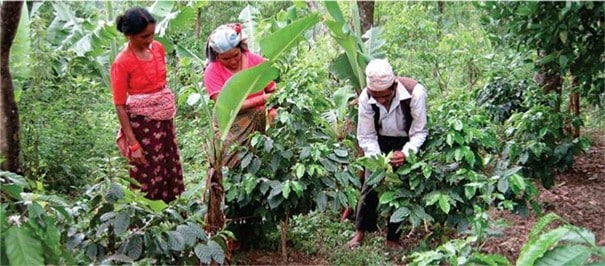
Growing coffee is a meticulous process that requires careful attention to detail. Coffee plants thrive in tropical regions, where they need a warm, humid climate. They are usually grown at altitude, as changes in temperature and altitude affect the flavor of the coffee.
Coffee plants produce berries called “coffee cherries,” which contain the precious coffee seeds we consume. Harvesting coffee cherries is painstaking manual work, because they must be harvested at the right level of ripeness. Once harvested, the cherries are pulped to extract the coffee beans.
The main varieties of coffee
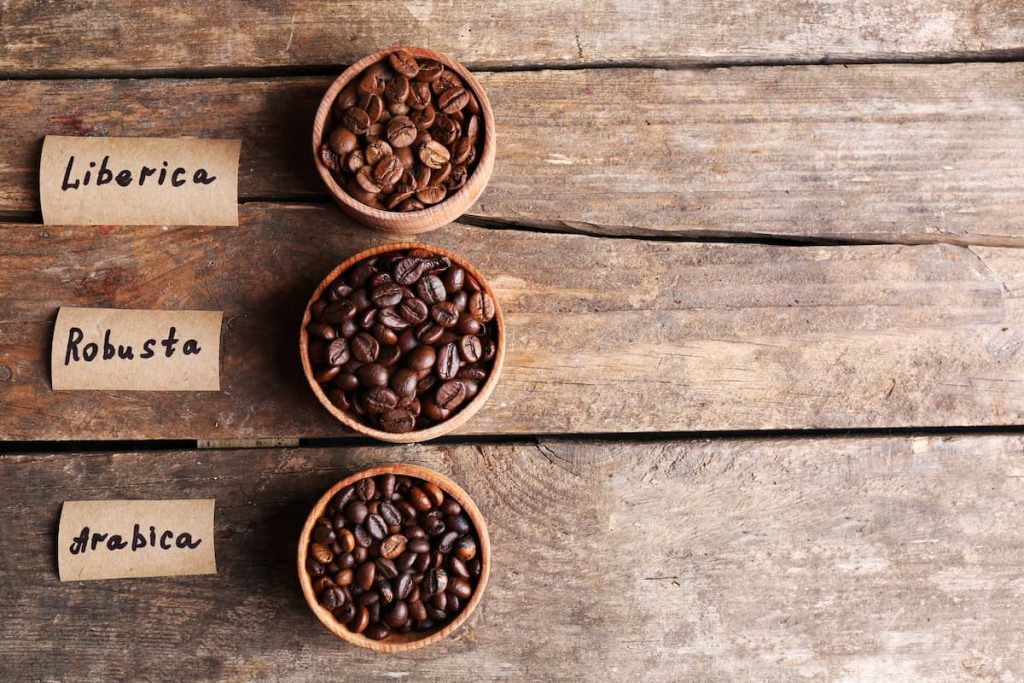
As mentioned above, the two main varieties of coffee are Arabica and Robusta. Arabica is often considered to be of higher quality, with a more refined flavor and delicate aromas. It is traditionally grown at higher altitudes, giving it distinctive characteristics.
Robusta, on the other hand, is more robust (hence the name) and is grown at lower altitudes. It has a stronger flavor and is often used in instant coffee blends due to its higher caffeine content.
Liberico coffee is found more rarely. Liberico coffee is a variety of coffee native to West Africa, known for its robust, earthy and woody taste, which differs from the more delicate Arabica. It is less common in the global market due to the predominance of Arabica and Robusta. It is prized for its disease resistance and unique flavors.
The importance of roasting
Roasting is the final and crucial phase in coffee processing. It involves heating coffee beans to high temperatures to develop aromas and flavor. Roasting time and temperature greatly influence the taste of coffee.
A light roast will produce a more acidic and floral coffee, while a darker roast will produce a fuller and more robust coffee. Each roaster has their own method and style, which creates a wide variety of flavor profiles among coffees around the world.

Conclusion
The coffee plant is the tree that produces coffee and plays an essential role in the production of this drink so appreciated throughout the world. From its origin in Ethiopia, the coffee plant has spread to many regions of the globe, offering a wide variety of coffees to coffee lovers.
Growing, harvesting, processing and roasting coffee are fundamental steps in creating the coffee we know and love. Each of these steps affects the final taste of the coffee, which is why there is such a variety of flavors among different coffee varieties.
By better understanding the role of the coffee plant and the processes surrounding coffee production, coffee lovers can develop a deeper appreciation for this fascinating and delicious beverage. So, the next time you sip a cup of coffee, remember the coffee-producing tree that created it, the coffee plant.
latest posts published

The Golden Café turmeric recipe

Definition: Hazelnut coffee – Cafés Méo

The definitive guide to coffee capsules: compatibility, flavors and problems for the planet

Is coffee high in calories?
What is the difference between instant and ground coffee?

How to make Italian coffee

Cold Brew: history and recipe for a refreshing revolution
What is robusta coffee?

How to clean the coffee machine