
Coffee is one of the most complex natural products from an aromatic point of view. Hundreds of chemical compounds are hidden in green beans which, through roasting, are transformed into distinct aromas, oils and flavor notes.
The moment the coffee is roasted, the Maillard reaction, caramelization and other thermal processes are triggered which give rise to more than 800 different aromatic compounds. These are what define the character of a coffee: from the sweet notes of caramel and chocolate, to the fruity, floral or spicy ones.
When the coffee is freshly roasted, these compounds reach their maximum intensity. Instead, after two or three weeks, the oxidation process and loss of volatile oils begin to dull the flavors.
The result is a coffee that loses vitality, the taste becomes flatter and the overall experience diminishes significantly.
This is why freshly roasted coffee offers a much clearer, more balanced and authentic taste, which faithfully reflects the origin of the beans.
Controlled Roasting: Science, Precision and Experience
In a specialized roasting company, the roasting process is never random. It’s all about control: temperature, duration, airflow and development points.
Each type of coffee has a different thermal behavior: an Ethiopian coffee roasts differently than a Colombian one, and the beans coming from a washed process require a different development time compared to those processed naturally.
Artisan roasters work with small batches, using temperature sensors and specialized software that tracks the roasting curve in real time. This precision allows them to obtain a flavor profile perfectly suited to the origin and preparation method: espresso, filter or cold brew.
Unlike industrial, dark roast coffee, where the focus is on quantity and shelf life, specialty coffee is made for quality, not volume.
Freshness and health benefits
Freshness not only influences the taste, but also the nutritional value of coffee. When the beans are freshly roasted, they contain a greater quantity of active antioxidants, in particular chlorogenic acid, a compound recognized for its beneficial effect on the metabolism and cardiovascular system.
Over time, these antioxidants degrade due to exposure to oxygen, moisture and light. Additionally, aged coffee tends to develop a pronounced bitterness, which results from the oxidation of the natural oils contained in the beans.
A freshly roasted coffee has a cleaner, sweeter taste and a balanced natural acidity, which makes it more digestible and more pleasant for daily consumption.
How freshness affects coffee extraction
An essential detail that many consumers overlook is degassing. After roasting, the beans release carbon dioxide (CO₂), a natural process that lasts several days.
If you brew the coffee too quickly after roasting, the gas will prevent uniform extraction. If you prepare it too late, much of the CO₂ is lost and the extraction becomes unstable.
Ideally, coffee should be consumed between 7 and 21 days after roasting, depending on the type and method of preparation. During this period the balance between aroma, gas and humidity is optimal and the resulting drink has a uniform consistency and a dense, stable cream.
That’s why professional baristas always use freshly roasted and properly degassed coffee to achieve precise extractions and consistent taste.
Traceability and sustainability
Behind a freshly roasted coffee there is a transparent and responsible supply chain. Specialty bakeries work directly with source farms, paying fair prices and promoting ethical agriculture.
Each batch has a traceability certificate and the consumer can know exactly where the beans came from, at what altitude they were grown and how they were processed.
The modern packaging, with one-way valve, allows the natural degassing of the coffee, without allowing air to enter. In this way the flavor lasts longer, without preservatives or additives.
By choosing freshly roasted coffee locally, you support the local economy, independent farmers and a more sustainable way of consuming.
Conclusion
Freshly roasted coffee is not just a hobby fad, but concrete proof that freshness completely changes the in-cup experience.
The flavors are cleaner, the body is richer, the acidity is balanced and the resulting drink has authentic character.
To taste the difference, always check the roast date, not just the expiration date. Choose small batches, specialty coffees, and brewing methods that suit your tastes.
In the end, it’s freshly roasted coffee that shows you what coffee should really taste like.
latest posts published
Because freshly roasted coffee is better

How do you take care of your coffee machine?

What type of coffee does TOGO recommend if you have heartburn?
Automatic or manual espresso machine for home?

How we choose specialty coffee

Inspiration: Special coffees that win hearts
Discover the impact of sustainability in the specialty coffee industry
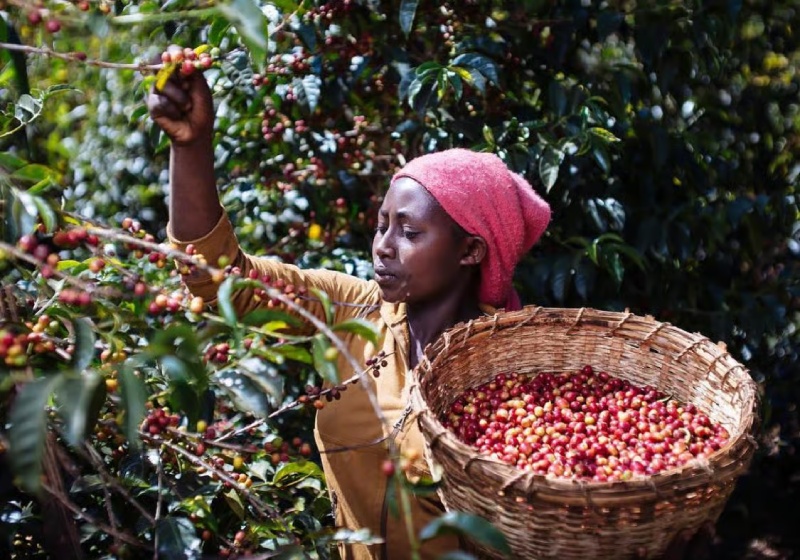
Coffee from Ethiopia – The birthplace of coffee and the treasure of natural flavors
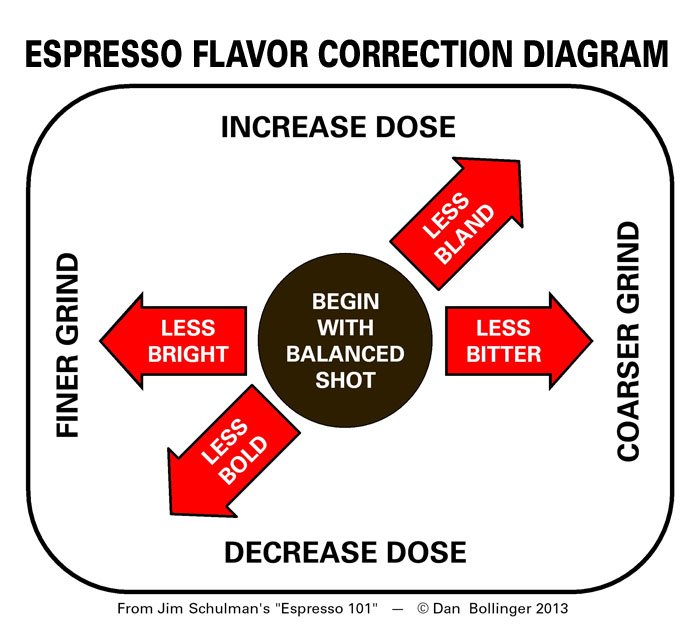
settings, dosage and practical tricks