
Decaf coffee is often misunderstood by both consumers and novice coffee professionals. For us this category of products is not a compromise, but a demonstration of technological sophistication and profound knowledge of coffee chemistry. Obtaining a coffee without caffeine, but with a complex aromatic profile, represents a truly great challenge in the world of coffee.
How to get decaffeinated coffee
The decaffeination process is applied to the green beans before roasting. There are several industrially validated methods, each with technical advantages and limitations, but the most relevant for specialty coffees are those based on water and carbon dioxide. The chemical solvent method, although still used in mass production, is less and less associated with the premium segment.
Water method – Swiss Water Process
The water method, also known as Swiss water processinvolves the use of a universal solvent, water, to extract caffeine. The beans are soaked and the caffeine molecules diffuse into the solution. Subsequently the solution is passed through activated carbon filters, which retain the caffeine. The beans are then reintroduced into a solution saturated with aromatic compounds, to avoid the loss of the volatile substances responsible for taste and smell. The result is a coffee with less than 0.1% caffeine, but which retains the aromatic identity of the origin.
Supercritical carbon dioxide method
The supercritical carbon dioxide method is based on the properties of this gas at high pressures and temperatures. CO₂ becomes a selective solvent, capable of extracting caffeine without significantly affecting other compounds. The process is carried out in a controlled environment and the recovered caffeine can subsequently be used in the pharmaceutical or energy drink industries. This method is considered one of the cleanest and most accurate, with minimal loss of aromatic compounds.
Residual caffeine content
Contrary to popular belief, decaffeinated coffee is not completely caffeine-free. International standards accept a residual level of approximately 2-5 mg of caffeine per cup, compared to 70-120 mg in regular coffee. However, for most consumers, these values are physiologically insignificant.
Challenges in roasting decaffeinated coffee
From an organoleptic point of view, the differences between a quality decaffeinated coffee and a conventional one can be subtle if the roaster is experienced and works with good quality raw material. The real challenge is adapting the roasting profile, as decaffeinated beans have already undergone heat treatment and tend to react differently during sugar caramelization and flavor development. An expert roaster will be able to avoid excessive roasting which could standardize the flavors and enhance the characteristic notes of the origin.
Conclusion
Today decaffeinated coffee finds a place on the menus of the most renowned specialty coffee shops. We are no longer talking about a poor alternative, but about a responsible and refined choice for those who love the taste of coffee but want to avoid the effects of caffeine. It is a growing segment where the transparency of the production process and the quality of the raw material make the difference. In the end, specialty decaffeinated coffee is not what has been taken from it, but what it manages to retain: the character, complexity and emotion of a well-brewed cup of coffee.
latest posts published
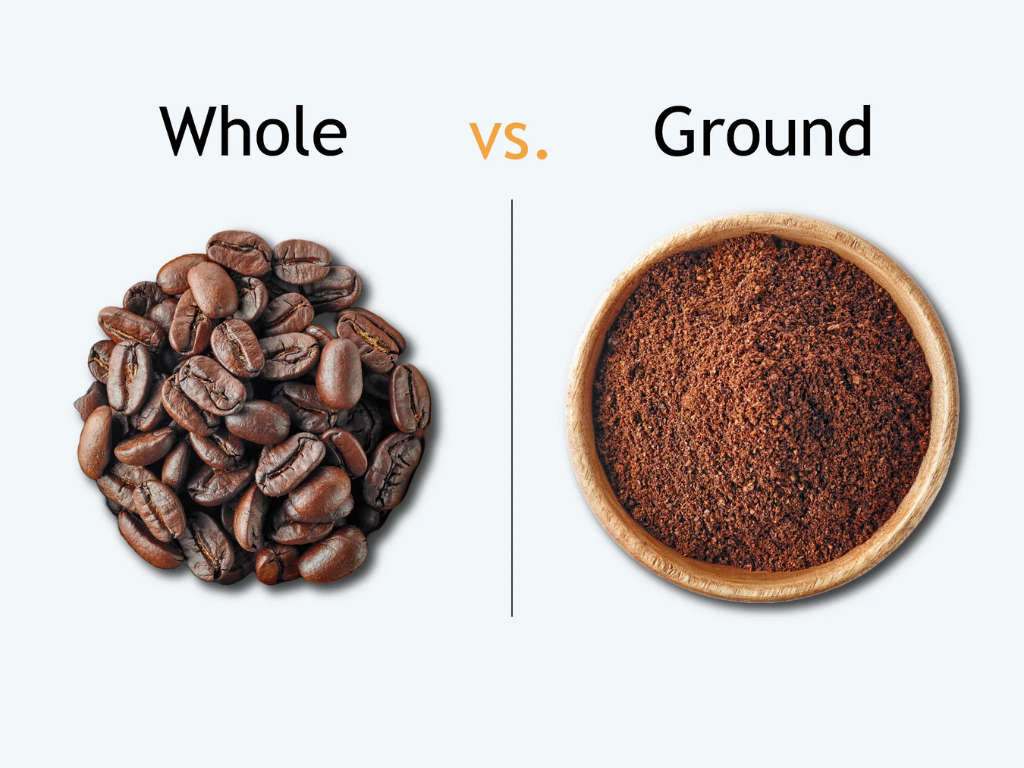
Because freshly roasted coffee is better

How do you take care of your coffee machine?

What type of coffee does TOGO recommend if you have heartburn?
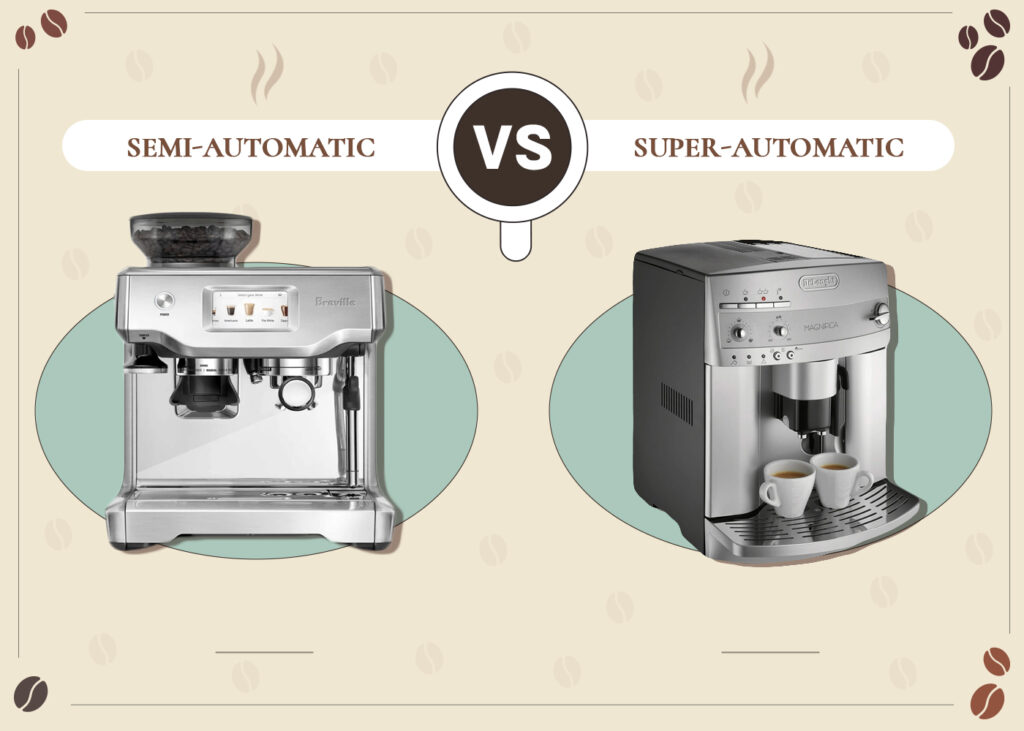
Automatic or manual espresso machine for home?

How we choose specialty coffee

Inspiration: Special coffees that win hearts

Discover the impact of sustainability in the specialty coffee industry
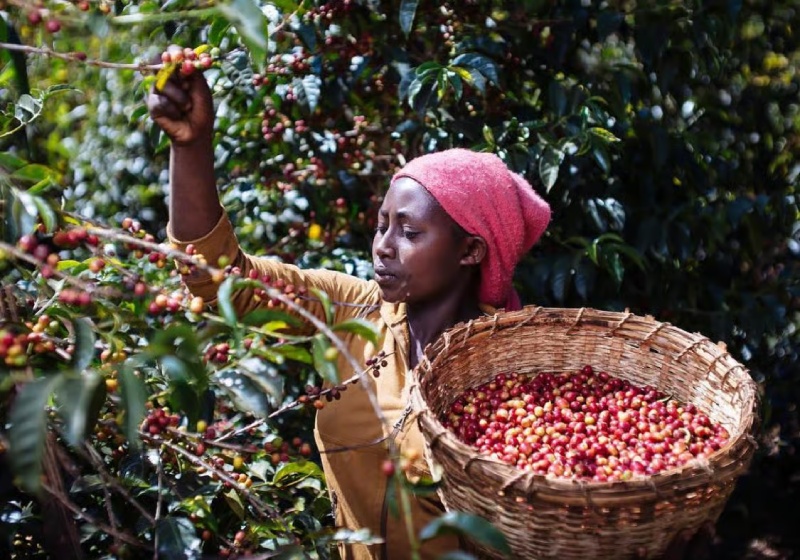
Coffee from Ethiopia – The birthplace of coffee and the treasure of natural flavors
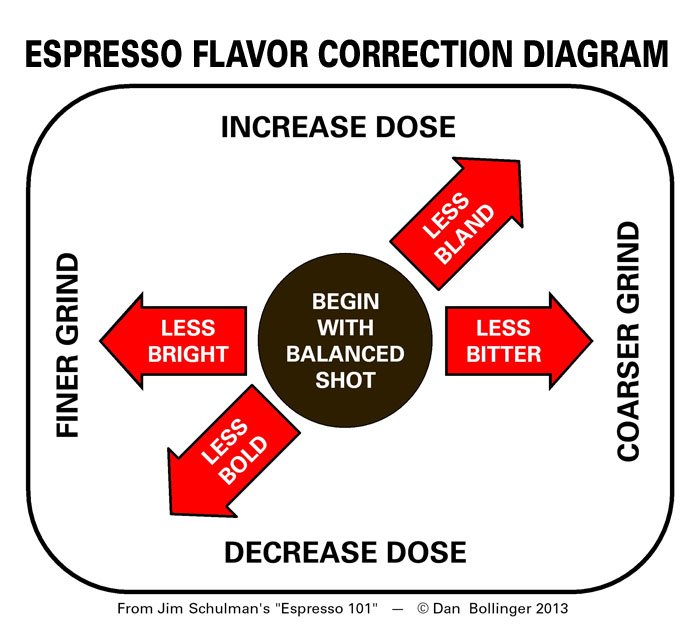
settings, dosage and practical tricks