Coffee is certainly sufficient in itself, but we would be wrong to deprive ourselves of its broad aromatic palette in pastry making and, less expected but equally interesting, in cooking. So let’s remove coffee from breakfast or the espresso break after lunch. Let’s discover the multitude of original combinations to enhance coffee with refined and tasty dishes!
The right combinations

We talk about «pairing» when it comes to combining a drink with food. After the most common food-wine and food-beer pairings, let’s take a look at food-coffee pairings.
You need to start by identifying the similarities in the aromas to arrive at a good «match». By identifying a main flavor note in the coffee, it is easier to find the ingredient that will strengthen this note. It will then be interesting to find products capable of counterbalancing this dominant note to achieve the perfect balance, another fundamental element of a successful «combination». Here are some notes commonly found in coffee:
- citrus fruits,
- Red fruits/berries,
- flowers,
- Epic,
- wooded,
- Roasted/smoked,
- Chocolate…
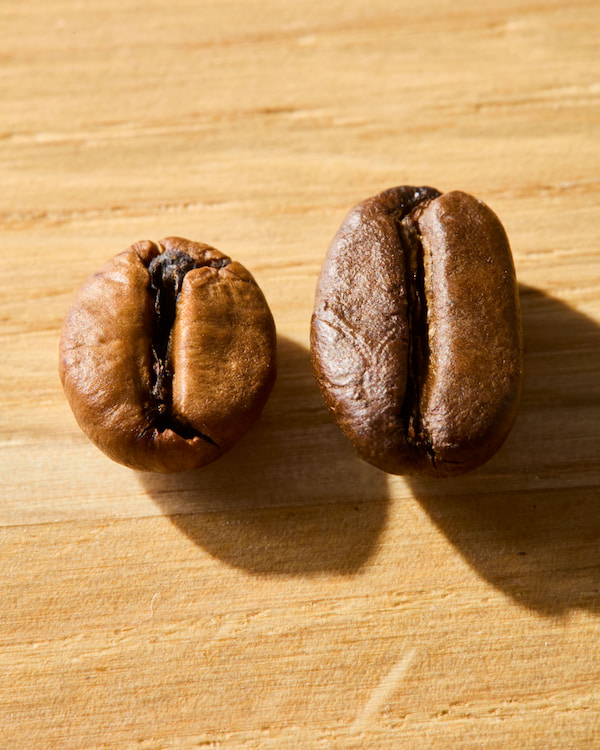
Even the roasting, more or less strong, is decisive for the choice of combinations: a more thorough roasting highlights the bitterness of the coffee while a softer roasting instead enhances the fruity and savory side of the coffee.
Niki Segnit, in his work, The Flavor Directoryoffers ideal combinations to pair with coffee. It breaks down the aromatic palette (blackcurrant, vanilla, cloves, chocolate, hazelnuts, etc.) of the coffee to find the most appropriate pairings. Here are some examples:
- Blackcurrant in pastries: meringue, blackcurrant sorbet, lightly sweetened cream, coffee ice cream and toasted almonds. The light bitterness of freshly ground coffee goes perfectly with blackcurrants, which should not be combined with preparations that are too sweet so as not to distort their flavour.
- THE cheese : as an aperitif, prepare the coffee parmigiana tiles! Finely grate 75 g of parmesan, mix with a pinch of ground coffee. Form small mounds of parmesan on a baking tray lined with baking paper and flatten them with the back of a teaspoon. Bake at 200° for 3-5 minutes until the tiles are just golden. Goat cheese also lends itself particularly well to pairing with coffee,
- Cardamom for its spicy and sweet side at the same time.
- THE banana because both products have floral notes with hints of spices such as cloves.
Even more confusing, coffee goes very well with seafood, especially oily fish because its acidity provides the expected balance. For example, salmon can be prepared gravlax style by combining coffee with the sugar and coarse salt mixture necessary for its preparation. Smoked salmon can also be accompanied by an original marinade made by emulsifying a strong espresso with a drizzle of hazelnut oil and a twist of the pepper mill.
Coffee arrives in the chefs’ kitchen
Chefs are doubling down on their creativity to offer multiple possibilities around coffee thanks to its multiple flavors. They therefore inspire us with ideas for offering coffee combined with sometimes unexpected products.
For a 100% Italian recipe, finalize the seasoning of your pasta with carbonara grating a few whole coffee beans using a zester or fine grater to replace the pepper and liven up the recipe. This advice comes to us from Denny Imbroisi, chef of the IDA restaurant in Paris, dedicated to the specialties of his country. He also recycles coffee grounds by drying them to add them to the flour of his fresh pasta recipe.
Starred chef Anne-Sophie Pic loves to use coffee as a real condiment to pair it with products with an earthy flavor such as beets and mushrooms. Coffee must be used raw or in infusion so as not to lose its sweet bitterness. It therefore becomes a flavor enhancer.
Here’s an adapted version to try the beetroot-coffee pairing at home: a beetroot and coffee salad. Cook 2 beets in the oven under a layer of coarse salt (3 kg) mixed with 100 g of coffee powder. Cook for 1 hour to 1 hour and 30 minutes at 180°. Leave to cool. Peel and cut the beets into quarters. Cut a ball of burrata (250 g) and harmoniously arrange the beetroot and burrata on a serving plate. Season with a coffee vinaigrette (emulsify ½ lemon juice, 1 tablespoon of soy sauce, 2 tablespoons of espresso coffee, 3 tablespoons of walnut oil, fleur de sel and freshly ground pepper).
Chef Jean-François Piège also particularly appreciates this product and offers an original tip to amaze your guests at the end of the meal! Mix 2 espressos with a teaspoon of sugar and an orange zest. Freeze in an ice cube tray. When preparing a chocolate mousse or tiramisu, grate an orange coffee ice cube to enhance your dessert!
The golden rule of all these chefs: seek the harmony of flavors, both around the natural bitterness of the coffee, associating it with products such as endive, grapefruit, beer, cocoa…, and around its acidity, associating it with hot or spicy products (chili pepper, citrus fruits, red fruits, etc.).
Choose based on the origin of the coffee which determines whether it has rather acidic aromas (Honduras for example) or rounded and delicious aromas (Brazilian coffees). Dried fruits, stone fruits and wood alcohols like whiskey also lend themselves well to Brazilian coffees with notes of chocolate and caramel.
latest posts published
The Golden Café turmeric recipe
Definition: Hazelnut coffee – Cafés Méo
The definitive guide to coffee capsules: compatibility, flavors and problems for the planet
Is coffee high in calories?
What is the difference between instant and ground coffee?
How to make Italian coffee
Cold Brew: history and recipe for a refreshing revolution
What is robusta coffee?
How to clean the coffee machine