
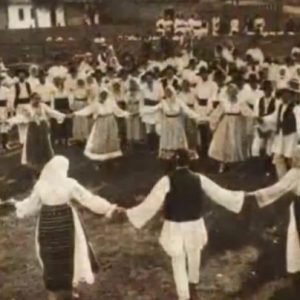
I have always been a supporter of uniting the forces of «good», of community meetings, of breaking down barriers between people and removing prejudices. If all this were applied in the coffee field in Romania, we would be further ahead, I’m sure.
We all know what freshly roasted coffee means (specialty or otherwise) and we watch its impact in hospitality every day, as traditional brands lose ground (in some places accelerated). But things are also changing in the field of… beer. What, you’ve never had an IPA or other craft beer? Not aware of the connection between craft coffee and craft beer? 🙂 Let’s talk a little about the two sister domains (both born from American-European fertilization), between which you will discover incredible similarities. That’s why I see them grow together.
Like classic branded coffee, industrial beer (almost all the brands we know) is also produced… industrially, with common ingredients, dozens of them, with cost optimization moves (see the smearing on beer labels or the robusta blends in coffee), with jumps in fermentation times because there are the famous enzymes, which make you «boil» the must in two days like nature does in 20, with the «fattening» of the hot coffee removed from the rain toaster with water or other «tasty» substances (chocolate, Irish, vanilla). Obviously. not all are detailed on the label but they are legal.
In this Romanian game in the field of beer, of «menage a quatre» (i.e. 4 large multinationals that dominate the market), at least 10 microbreweries have made their way, producing real beer, fermented without haste, from special hops brought from overseas and countries, with handcrafted recipes, having the opportunity to drink even in Romania varieties of Indian Pale Ale (IPA) that compete on equal terms with the microbreweries of the United States, United Kingdom, Germany, Ireland, etc. of these reminders was minor in terms of turnover but important in the growth of the trend, the industrial market reacted immediately to the «threat», as it could, replicating the various characteristics of craft beers, which are usually unfiltered, unpasteurised, with top-fermenting Ale yeast, etc. This is why Timi Nepa, unpasteurized Skol, Silva Romanian Pale Ale, Azuga declared unpasteurized and artisanal, Gambrinus millesimata, etc. appeared on the price list. market. Most of those who have drunk a real Romanian craft beer at least once (Hop Hooligans, Ground Zero, Perfektum, Hop Head, Bereta, Sunstone, even Zaganu or Sikaru) are already smiling when tasting a Nepa 🙂 I won’t say it, there are also contrary opinions, mostly from fans of volume and long-lasting blonde beer.
But the glass also has an empty side. Why:
- production takes place in small batches
- the highest quality ingredients are brought in from outside in relatively small quantities (e.g. hops from New Zealand)
- conservation must usually be carried out in the cold or in the coolest possible environments, especially in the summer period
- entrepreneurs invest money, life and soul into business, so there is no room for very long paybacks
- distribution in bars and restaurants suffers due to the exclusivity contracts of large companies (which give you umbrellas, refrigerators, tables, marketing budgets, etc.)
- For a small producer, access to hypermarkets is difficult due to the discounts and tax conditions imposed
… from which it follows that the selling price at the entrance to the factory is high (7-15 lei / 0.33 – 0.5), that in shops is higher, on average 10 lei/bottle, that in pubs and more, 15-20 lei. And then all this phenomenon is very concentrated, in general towards the population with average and above average incomes, with a certain education and tastes, mostly coming from big cities, too few active drinkers of industrial beer. Mamaaa, so many similarities with the artisanal coffee market 🙂
But let’s create a nice scenario in our minds as enthusiastic consumers: for the good of the industry, what would happen if these small craft beer producers joined forces under a profile association? Couldn’t we see big changes in Romanians’ consumption habits? What seems impossible alone in two or ten will be much easier. For example, manufacturers could:
- purchase large quantities of ingredients and adjacent materials together, at a better price from the supplier
- organize festivals dedicated to craft beer more often than annually
- to carry out extensive public relations campaigns and raise awareness of what is being poured down their throats
- enter massively into the mass media with the preaching of truth and justice
- create startup guides for other enthusiasts who want to join the guild and then the association
- facilitate the distribution of products in the country through negotiations with large chains
- legally defend its members (see Csiki Sor case)
- have a tougher word in relation to HoReCa
- invest in advertising
For our future happiness, the association was born, as the University of Beer informs us, with the name «Craft Beer Producers Association«, having as founding members Zaganu, Perfektum, Sikaru, Ground Zero and Hop Hooligans! God help! / Maybe Bachus helps too, because we are doing well 🙂 The slogan looks nice and promising: «honest product, created with passion and respect, both for the art and for the consumers«
And now let’s go back to our everyday coffee. Remembering the article above, what would happen if the pride of the Romanian artisanal coffee market was left aside and such an association was created? The question is not who and what would win, but more simply: who and what would lose?! After 6 years of the espresso community, which has undoubtedly been the most important media element in Romania in promoting freshly roasted coffee, I can confidently say that, however dissipated, things are much better in the craft coffee market than in the craft beer market. And this is because the mass of consumers is larger, but also because the triumph of the new wave of coffee began earlier, while craft beer only became widespread in our country two years ago. Otherwise, I think the growth rate has been similar.
An interesting example comes from Germanywhere the founders of DEUTSCHE RÖSTERGILDE EV have demonstrated since 2006 that they know how to combine the forces of over 60 local artisan roasters, operating independently and competitively with large coffee producers, many of which are also present here:
«The German roasters’ guild represents the interests of specialized roasters by positioning them in an autonomous network on the coffee market in German-speaking countries. The roasters’ guild symbolizes its clear guidelines for traditional coffee production with a quality seal and assures customers that they are purchasing excellently processed products.»
What could be done in a Romanian coffee association? With a hyphen:
- first of all, every month they sit at the same round table and drink the same… beer
- people know each other better (yes, two things are still missing)
- Plans can be made for joint purchases of specialty coffees
- you can contact farmers who own good coffee plantations, who can deliver exclusive or exclusive lots at decent prices (direct trade)
- intercontinental transport of green coffee can be organized, with great benefits in terms of bureaucracy and costs
- a solid negotiating center is created with the large chain stores
- new distribution channels are opening in Horeca
- with good PR it is possible to guarantee a constant presence of members in quality mass media and the dissemination of artisanal coffee among the population
- it is possible to negotiate at the table with biscuit manufacturers significant discounts on the purchase of new machines
- it is possible to negotiate an excellent discount or an advantageous leasing contract with the manufacturers of espresso coffee machines and coffee grinders, so that it is easier for the roasters of the association to win bars and horeca places, where the big brands are ready at any time to offer the equipment in custody.
- specialized tests, analyzes and articles can be done to highlight the association as a leading scientific voice in the field of coffee in Romania
- the parties can take place month after month and there are many possible locations, thanks to the customers of each individual baker
- you can change roasting profiles, repair and modify roasters
- Local workshops can be organized (within or outside the association) with the most highly regarded roasters in the world
- international development opportunities can be created, towards European HoReCa.
- pride can be cured
- and more and more…
Who wins from all this? Simple, EVERYONE! The roasters as well as the corporation, because they will become more respected in the market, more prosperous in business, more constant in the accumulation of know-how + we the customers, who will perhaps receive a better price for a fresher and better processed green coffee.
Gentlemen roasters who do the work, meet for a craft beer and think carefully that the coffee market in Romania will reach implosion relatively soon, places and embarrassments due to certain entities. Let’s take a big step forward!
latest posts published
How did Slow Coffee Festival 2023 go?

What is espressoman.ro and what does it want?
“Brand” coffee (Illy and more) versus freshly roasted coffee
How did it go at the 2016 National Aeropress Championship
2016 at the end – perhaps the most prolific year of good coffee in Romania
Visit MetroExpo, with a stop in the Jura –
Cold Cappuccino | History, advice and recipes for home
Gaggia Espresso Pure modified or how to remove butter from the espresso machine
Bakers Association? First we drink a craft beer