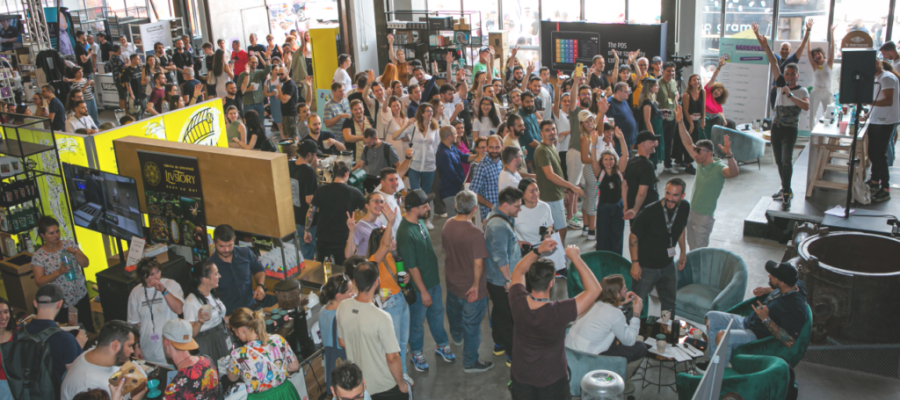
In 2023 we see an evolution of the largest coffee festival in Romania, which goes beyond the selection of specialty coffees, towards true sustainability!
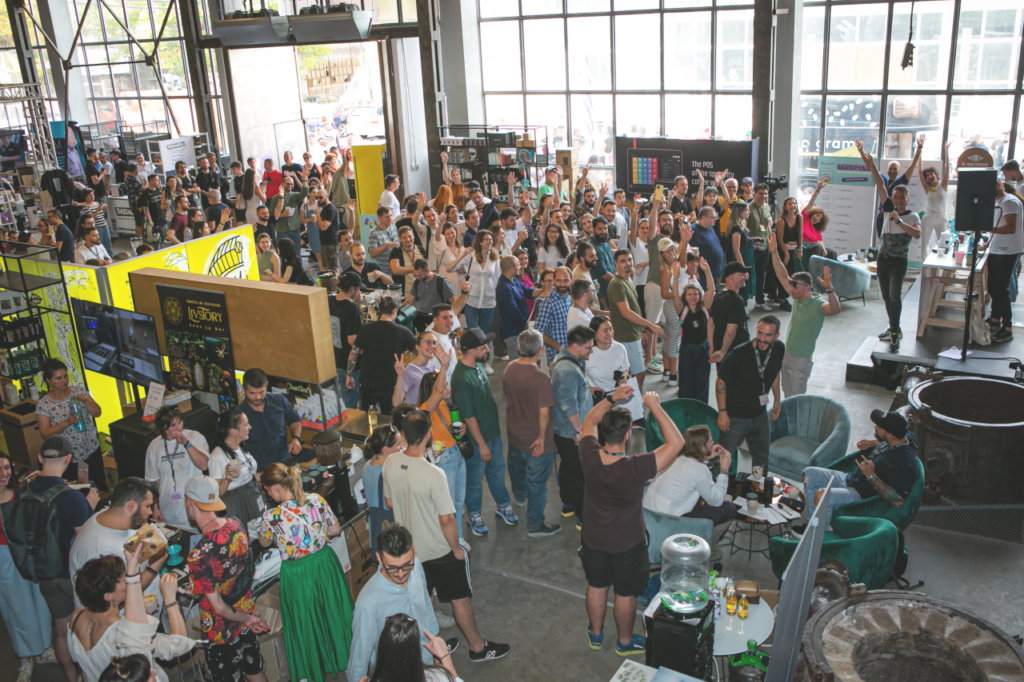
Before discovering my passion for coffee around 2011, I was (and am) an event MC, which gave me the right to apply for a place as presenter of this festival, 7 years ago at the first edition. The point is that they had no other more suitable choice 🙂 What I wanted to say is that for me, who was present from the beginning at the center of the events, I really felt that it was the best festival ever held in Romania, considering the level of the coffees presented, their accessibility (completely free, especially if you took a cup from home), the guests present both at the stands and at the workshops, the bakeries themselves came with the owners, hence the possibility to talk directly with people like Patrik Rolf (April), Stefanos Domatiotis (Create), Mihai Panfil (Origo), Adi Simion (Guido), Razvan Burlacu (Dropshot), Mihai Sumedre (Yume), Radu Manea (cafai), the farmer from Costa Rica (I don’t remember the name), Teodora Pitis (Sloane), Delia Avram (Arusha) and many, many other valuable people.
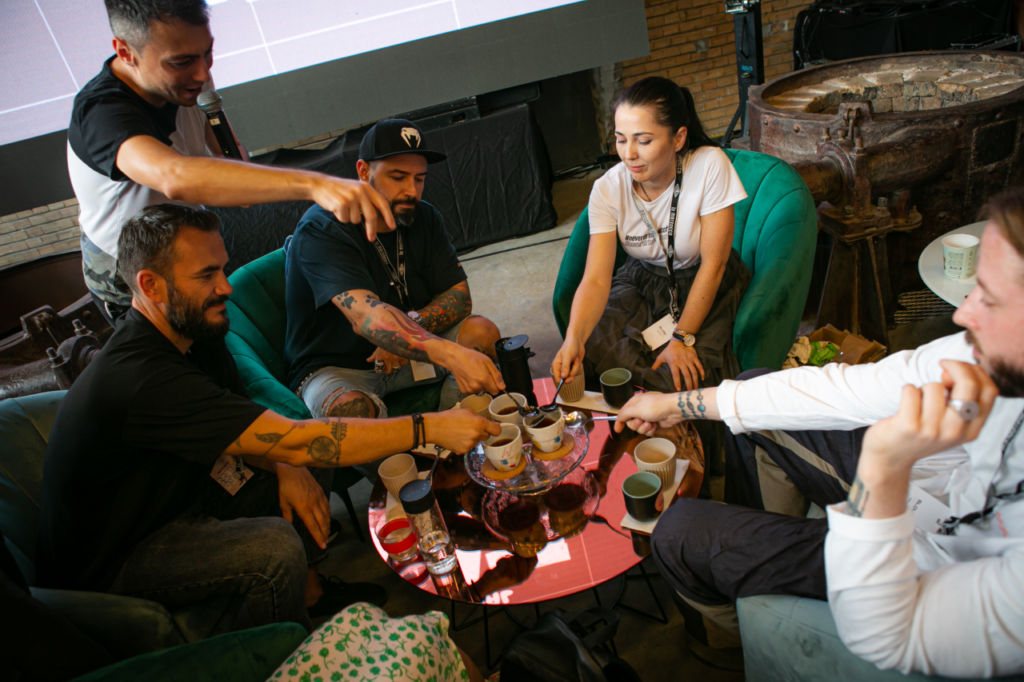
The first question you immediately received was «where do I drink the best coffee»? I couldn’t necessarily make a list of the best coffees I drank, but I can say that the natural ones and the fermented ones predominated, I for one ended up asking before it was offered to me whether it was fermented or not, because I actually couldn’t stand that taste anymore. Of course, there are differences here because you may find examples from boasca to fine touches of ferment, some really interesting. Some, however, have remained in my mind: a Tanzania Leon on espresso from Yume, a Colombia Chiroso from Create (Greece), also a Columbia from the farmer Nestor Lasso, from Guido, a very fresh coffee (I don’t remember the origin) from BaniBeans from Slovenia in the Pretty Good Coffee stand, even a Geisha infusion from Dropshot but here is another separate chapter because these infused coffees could not be missing which I don’t know how to qualify at this moment. I drank one that was absolutely beastly as coffee juice, having previously kept the green beans in aromatic grape must, which with a bit of natural tonic water on top would have transformed the glass into a proper cocktail. Yet it is not coffee, in the purest sense of the term. The problem here has two sides: the first is positive, because you brutally attract people who have never drunk freshly roasted coffee before and are so shocked by the new and good taste (they may still come from the field of added syrups and spoonfuls of sugar) that you may have the opportunity to later lead to coffees without additives, bringing the market share of specialty coffee in the future. The second aspect is negative, because accustoming the public to such easily obtainable flavors can cause aversion to washed-out classics or coffees that show their heavier aroma, with some effort in preparation and expensive equipment. I have gone on too long with this topic that it deserves separate articles.
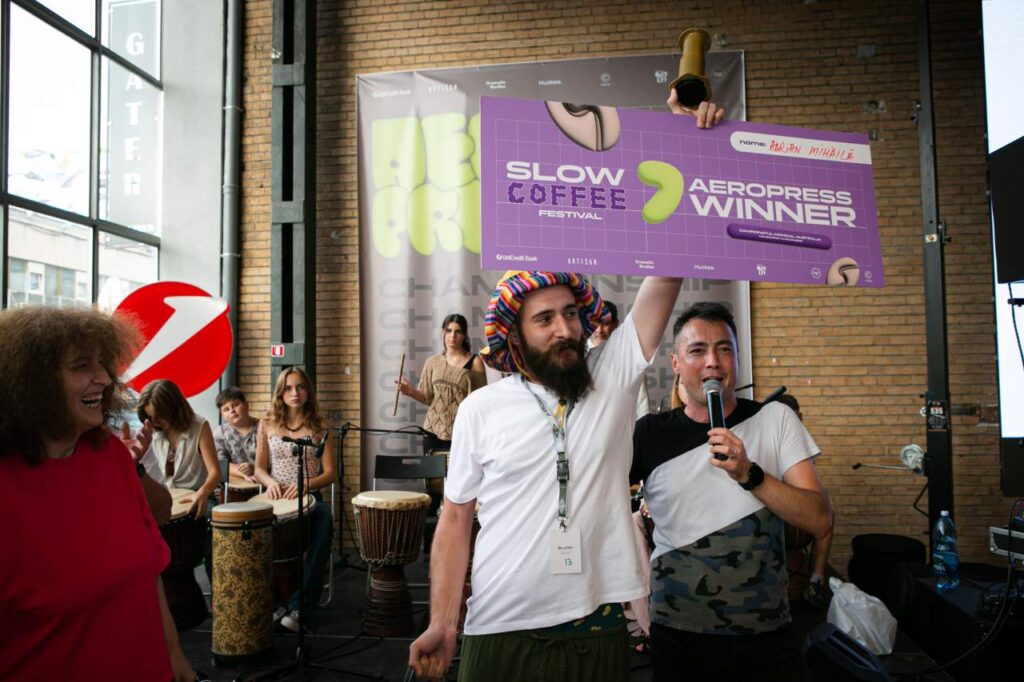
I definitely want to congratulate Carmen, forum user @Carmi, for her courage, hours of training and willpower, together with coach Florin Lemnaru! Mihnea also competed among the forum users, but Carmen came further, stopping in a semi-final round, against the one who would become champion (Adrian Mihaila, Vicii Coffee Shop). For her, for our community and for Florin it is truly a spectacle, well done!
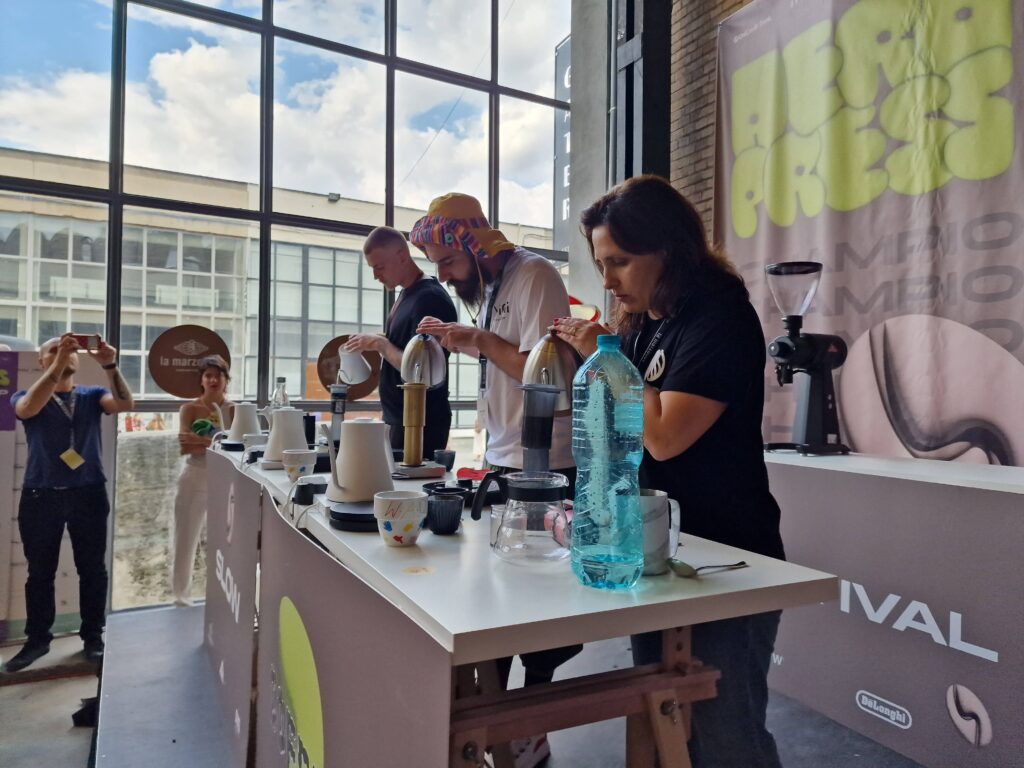
I mentioned sustainability at the beginning. Well, the organizers have proposed that this year they split the cat in two, as they say, by banning the stands from using any type of disposable glass (possibly only glasses or cups that you can wash yourself), offering the alternative of coming from home with a cup or buying it there. Where it was feared that people might be inconvenienced by this additional effort, everything worked very well and the bar owners were extremely receptive and even enthusiastic about this method of protecting the environment. I didn’t even get apostrophes privately, because MC still gets words left and right. The places to rinse the cup were set up in another room, and many perhaps did not know about them even though I kept announcing, something that could be improved next year by bringing the rinsers to the same room and possibly in a different form, not necessarily those discs that you press with the glass.
A plus for water dispensers at the discretion of visitors, especially since the goal was to taste as many coffees as possible, so water was extremely necessary, bonus, even free.
As usual, in addition to coffee, you can taste interesting things from other artisans, from Radu Carutasu’s catina and KofiTi drinks, to artisanal chocolate prepared live by Professor Martin or LivStory’s Brasoviani tastings.
Again in the name of sustainability, milk of animal origin was banned on the stands, preferring vegan milk from the sponsors. Here I still understand the small controversies, and I was sorry that there was no craft beer around because alcohol was also prohibited, which is not necessarily a bad thing 🙂 Somehow I say that this festival has reached a very high level, the coffees brought were mostly first rate, so we can make this concession to the organizers in terms of attracting sponsors and promoting their ideas. Add to this the fact that many people actually ask for vegan milk in cafes.
In terms of improvements, I would position the speakers differently because the space is quite generous, generating echo, and I don’t think the sound quality during conversations was the best, especially in the back, the sound was often loud and difficult to understand. Also in this chapter I would put my roasting on that Stronghold roaster made available by the organizers for those who want to take on the role of a professional and start with the beans in the bag, labeled by them, roasted by hand. This, however, requires better education and more applied discussion, especially since some of the parameters displayed did not match what an enthusiast sees on an Artisan or Cropster software, for example, including our forum colleagues with roasting experience who have trouble explaining the parameters displayed, without coming to a conclusion. I think this activity deserves an update for next year, so that it is not just about fun but also a good learning exercise, with a dedicated trainer (Stefanos from Create didn’t have time to be there), possibly even with a little competition between espresso lovers who are passionate about roasting.
A big Bravo also to Ernest (thecafe.ro), who year after year took care of the mechanics of this aeropress championship, permanently organized around the festival, and of the rest of everything concerning the technique of a championship, the regulations respected, equal opportunities between competitors and much more.
Thanks for the photos from fellow forum member MihaiL, brighter and better shot every time.
I hope to see this festival multiply in Cluj because it’s a shame that there is such great effervescence there and such a great lack of great festivals with and about coffee.
Once again, congratulations to Adi Mihaila on the first prize of the 2023 National Aeropress Championship and we really want you to represent us at the highest level in Australia, at the World Championship!
latest posts published
How did Slow Coffee Festival 2023 go?

What is espressoman.ro and what does it want?
“Brand” coffee (Illy and more) versus freshly roasted coffee
How did it go at the 2016 National Aeropress Championship
2016 at the end – perhaps the most prolific year of good coffee in Romania
Visit MetroExpo, with a stop in the Jura –
Cold Cappuccino | History, advice and recipes for home
Gaggia Espresso Pure modified or how to remove butter from the espresso machine
Bakers Association? First we drink a craft beer