| What to remember: THE caffeine and theine refer to exactly the same moleculewith chemical formula C8H10N4O2. The term “theine” is a historical name given to caffeine when it was isolated from tea in the 19th century. The difference in effect between coffee and tea does not derive from the molecule, but from the absorption rate and other compounds presentsuch as tannins and L-theanine in tea. Coffee usually causes faster and more intense stimulationwhile tea offers a more gradual and stable effect. THE caffeine content varies depending on the drink and preparation: a expressed contains on average 60 to 90 mg, a filter coffee 80 to 120 mg, a THE black 40 to 70 mg and green tea 20 to 50 mg per cup. |
Tea or coffee? Actually: caffeine OR theine ? We have heard that coffee stimulates more strongly than THE it wakes you up gently, as matcha is ideal for concentration. But why? Are they only two? experiences ? different? Two universes, two ritualswhich fuel the curiosity of some. So if you are also wondering if there is one or more differences between theine and caffeine you are in the right place! Effects, dosage and advice for balanced consumption, experts Distorted shed light on this historical confusion and explain why the effects seem different.
Two names but only one molecule!
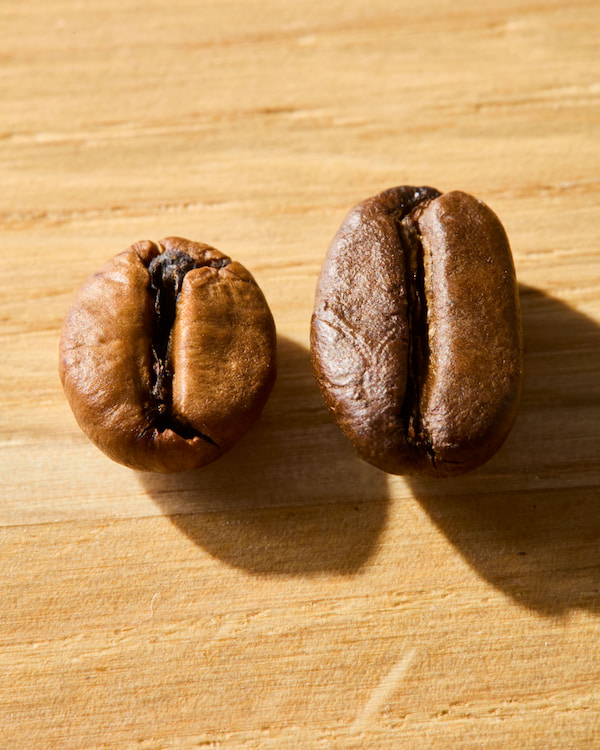
Did you know? caffeine and theine designate exactly the same molecule? Chemically, it is the C8H10N4O2 molecule. The same structure, wherever it is extracted from coffee beans or tea leaves.
Although caffeine is naturally present in coffee, caffeine is simply the substance historical name given to this same molecule when it was identified in tea.
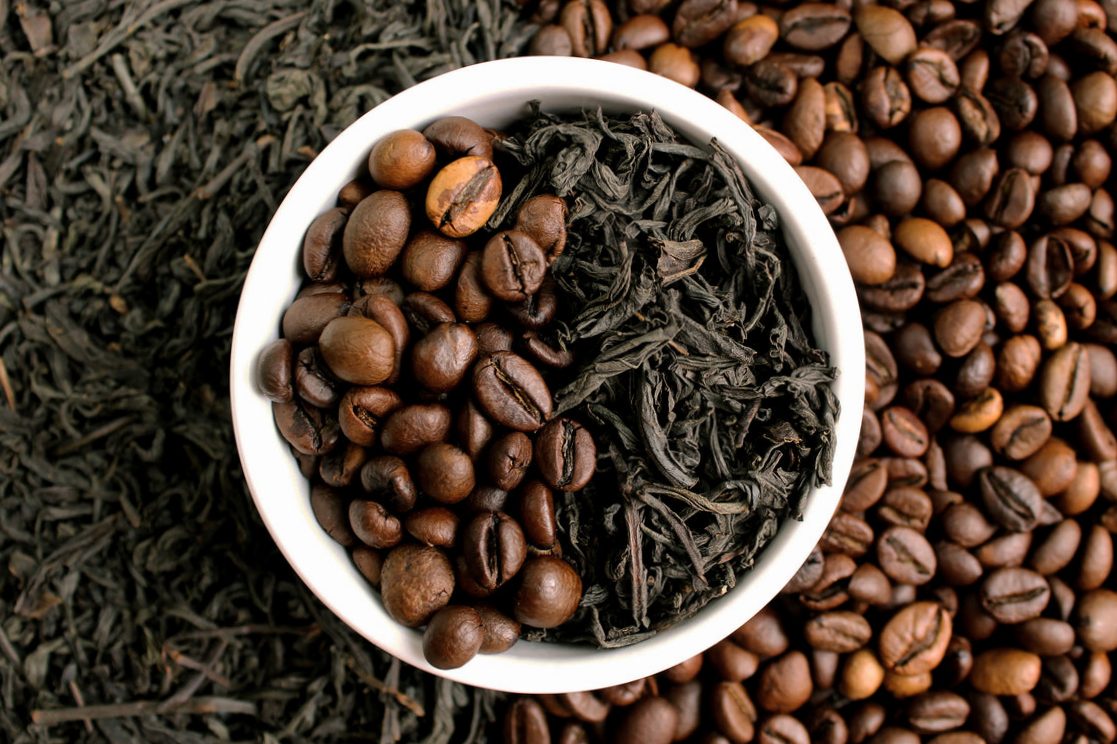
This molecule is present in coffee, tea, matcha and mate. All these drinks contain caffeine ; if there are differences, they are found in the way they act the organism (speed of assimilation, felt effect, etc.).
Why do we feel the difference?
But, then, if the caffeine and the theine they are identical on a molecular level, because we have the impression that it is them are the effects different? Several factors must be taken into account:
- Absorption speed: this difference modifies the energetic perception.
- The presence of other natural compounds.
- How is the drink prepared.
It is therefore not a difference of molecule, but of a context and a gustatory perception different.
A historical confusion linked to tea
This confusion between caffeine and theine has its origin in the history of tea. When the stimulant molecule was first isolated from tea leaves, it was called theine. Only later did analyzes demonstrate that it was exactly the same molecule present in coffee.
But the story doesn’t end here. Tea contains naturally tannins (also called polyphenols) which affect the absorption of caffeine. This is also the case with L-theanineAND amino acid known to promote concentration and a state of calm.
It is this combination that gives a “softer” energetic sensation.
A different experience that maintained the myth of a distinct molecule.
The context e consumption patterns also play a role. A expressed it doesn’t provide the same sensation as a large cup of green tea or from matcha tasted slowly according to inspired tradition Japan. Even the ritual, the moment, the environment influence the perception of the effects.
Coffee or tea: which drink contains more caffeine?
Several factors influence caffeine content: THE quantity of coffee beans or from tea leaves used, preparation time and the water temperature. Without forgetting the preparation method of the drink that plays a role in the effects felt. For “general” measurements:
- The espresso contains on average between 60 and 90 mg per cup.
- Filtered coffee can reach 80 to 120 mg.
- Black tea contains between 40 and 70 mg.
- Green tea varies between 20 and 50 mg.
- You’re running offers a variable content: the more you dose the powder, the more the quantity of caffeine increases.
In your cup, the same molecule but a different experience
Caffeine remains the same molecule, regardless of where it comes from roasted coffee beans or tea leaves. However, in yours taxesthe experience is completely different, why?
Coffee: a direct and lively energy
Coffee releases caffeine quickly. A assimilation fast that automatically increases with a peak energy almost immediate and more marked.
The effect is direct, it stimulates the central system and improves alertness.
Tea and matcha: progressive stimulation
In tea, tannins slow down the absorption of caffeine. L-theanine promotes a state of concentration calmer. The effects are felt longer, are more stable, longer, often described as greater soft.
Caffeine vs theine: comparison table
| Criteria | Cafeteria | THE |
| Stimulant molecule | Caffeine | Caffeine (called theine) |
| Origin | Roasted coffee beans | Tea leaves (green, black, matcha, etc.) |
| Absorption speed | Fast | Also progressive |
| Onset of effects | 10 to 20 minutes | 20 to 40 minutes |
| Type of stimulation | Lively energy, immediate sensation | Softer and more stable awakening |
| Average duration of effects | 2 to 4 hours | from 3 to 6 hours |
| Energy peak | More marked | More moderate |
| Presence of L-theanine | Not | Yes (promotes calm concentration) |
| Role of tannins/polyphenols | Weak | Slows absorption |
| Average content per cup | 60-120 mg (depending on method) | 20-70 mg (selone infusion) |
| Influence of preparation | Grinding, pressure, dosage | Infusion time, water temperature |
FAQ: caffeine or theine?
- Does it keep you from sleeping?
Since it is the same molecule as caffeine, it can disturb the body sleep if consumed at the end of the day. Keep in mind that this sensitivity varies depending on the person.
- Does green tea contain more theine than black tea?
In general, black tea contains little of it more caffeine compared to green tea, but will depend on the brewing method.
- Does decaffeinated coffee still contain caffeine?
Yes. The decaffeination process offers a coffee that still contains a small amount of caffeine (from 0.1 to 0.3%)decidedly lower than that of a classic coffee.
- Can you drink coffee and tea on the same day?
Yesprovided you adapt yours consumption of caffeine to your sensitivity.
Caffeine or theinethe molecule is the same, but the experience, the rhythm, the chosen moment, is what changes everything.
Vary the pleasures : AND coffee to start the day, a THE or a matcha to gently relax or prolong concentration. The important thing remains to adopt conscious consumption. Choose based on your desire and moment. Beyond the molecule, there is the ritual. Tea or coffee, theine or caffeine, the important thing is to take a moment for yourself, a break that is as delicious as it is energizing. All you have to do is test: discover the whole range Méo coffees and explore their aromatic richness.
latest posts published

The Golden Café turmeric recipe
Definition: Hazelnut coffee – Cafés Méo
The definitive guide to coffee capsules: compatibility, flavors and problems for the planet

Is coffee high in calories?
What is the difference between instant and ground coffee?
How to make Italian coffee

Cold Brew: history and recipe for a refreshing revolution
What is robusta coffee?
How to clean the coffee machine