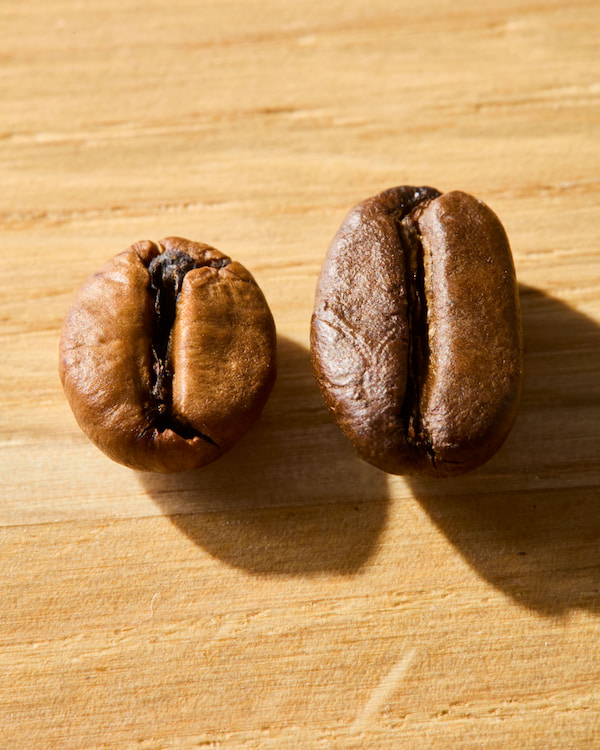

Although there are numerous variations in serving the drink, only one recipe is correct, which continues to be prepared in different ways. But there are some essential aspects in every cappuccino recipe: only excellent quality arabica coffee and only fresh milk are used, without exceptions.
Cappuccino is prepared on the basis of espresso, which is mixed with thick milk foam. For an à la carte cappuccino it is important to prepare the foam correctly, it must be hot, airy and sufficiently consistent. To achieve this, the milk is steamed.
Cappuccino originates from Italy. But from where and to where? There are different versions and they all associate this drink with the Capuchin friars.

One of the versions tells how the monks loved to spend time over a cup of coffee. But according to the canons of faith, it was forbidden to use this drink, as it was considered a devilish potion. So, so as not to upset God, the monks began adding milk to the coffee to dilute the black color of the drink, so that it would not have such an evil appearance. Churning milk was a laborious process, but the Capuchin friars, unable to deny themselves this pleasure, persevered in preparing this drink and continued to enjoy it.
Over time the milk was replaced by cream, much fatter, and the churning process was faster, but the finished drink still did not resemble the usual cup of hot coffee. Then they started heating the cream to maintain the temperature of the drink, but the preparation still continued to be tedious.
Later, in Italy, a certain self-taught engineer Giuseppe invented the prototype of the cappuccino maker which replaced the manual frothing process. He connected two containers, one containing milk and the other hot water. Using simple mechanisms and a pair of tubes, the hot milk is frothed with steam.
According to another version, the history of the Capuchin began much later than that documented in favor of the Capuchin friars. In the year of grace 1901, the advent of coffee machines and modern technologies also allowed the Italian inventor Luigi Bezzera to find a way to automatically froth milk. The steam produced by the coffee machine was used to produce an air foam. After mixing the white milk with the black coffee, a color was obtained that recalled the robes of the monks, and the white foam on the surface symbolized the white hood of the Capuchin friars. This version takes us back to the Capuchin friars and their role in choosing the name of the drink.
As usually happens, the more popular something is, the more people claim rights to it. The same thing happened with the cappuccino. According to the third version of the history of this drink, the Austrians claim that coffee with milk foam first appeared in Austria around the 17th century, after the Battle of Vienna. The locals did not like the bitter taste of black coffee and an inventive friar belonging to the Capuchin order thought of adding a large portion of milk to the coffee. This drink was called Kapuziner and was prepared with freshly roasted coffee, after which frothed milk was added until the color of the drink became similar to the shade of the cassock of the Capuchin friars.
Wet cappuccino is a variant in which the quantity of milk prevails over that of coffee, which gives the drink a more delicate and sweet taste. The foam is shiny, dense. The shiny effect is given by the proteins present in its composition. When milk is heated to a temperature of 65-70°C and properly shaken, lactose begins to add sweetness to the drink. The foam 1 to 1.5 cm thick should resemble melted ice cream, and the bubbles, in turn, are small and completely invisible. A condition for a good wet cappuccino is the elasticity of the foam, this is noticeable when chewing: the foam and the coffee itself form one whole.
For the dry cappuccino variant in composition, the coffee is quantitatively superior to the milk, which instead foams more, forming a real «cap» of foam, thick and dense. In this way, the very pronounced taste of coffee is obtained, and under the fluffy «cloud» a simple espresso with milk is hidden. The foam is porous and dry, but can be very pleasant if decorated with topping or cinnamon.
It is not known for certain when the iced cappuccino appeared. But the information that has survived to this day places him alongside the Dutch settlers of the East Indies in the 17th century. In Europe this drink only caught on after 1940. Today the iced cappuccino is popular among lovers of iced coffee, in combination with the fine milk foam and the slightly bitter or sour taste nuances outlined by the ice cubes.
Cappuccino with syrups and spices
The cappuccino today provides a basis for experimenting with almost unlimited flavors and gustatory creativity. You can try the most popular combinations with vanilla, walnut, caramel and chocolate syrups by adding them to the milk before it is foamed or you can add spices such as pepper, nutmeg, cinnamon sprinkled at the end. One way or another, the result is extra flavors and aromas that you can rely on whenever you want something special.
Even for those who cannot drink caffeine there is a very inviting variant of cappuccino also called Babyccino because even the little ones like it. This drink is made from foamed milk like a cappuccino, but without coffee, with the addition of various syrups.
Classic cappuccino the espressor
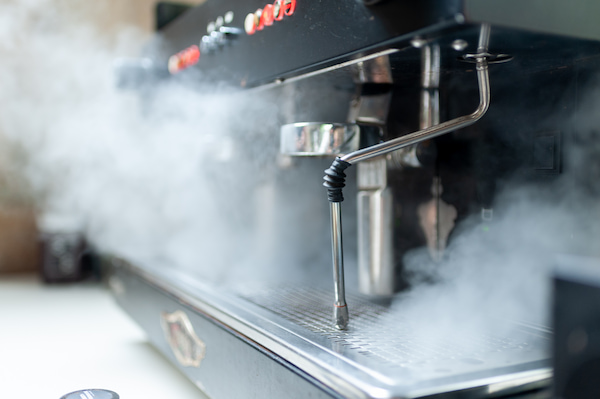
Warm the cup by placing it over the espresso machine or rinsing it with hot water. Prepare a 25 ml shot of espresso coffee in the cup. Steam the milk at 60-65°C. For this purpose, use a cup that is slightly narrow at the top, so that the expanding milk does not spill out. With a jet, eliminate the water or milk remaining in the steamer. Holding the cup upright, immerse the steamer into the liquid, slightly obliquely, off-centre, without touching the edges of the cup. With one hand he holds the handle of the cup, with the other he turns on the steamer. Do it at the highest level. If the vapor is insufficient, no bubbles form and the liquid emits a loud squeaking noise.
The steam swirls the milk in circles. The longer you continue to boil, the more foam will be produced. As the volume increases, the foam will dampen the sound, reducing it. As the sound becomes more widespread, the bubbles become smaller and the foam denser. To get more foam, you can leave the cup lower, so that the nozzle is more on the surface. Continue swirling to get a thicker, smoother sponge. Aerate only while the milk is cold, once the liquid heats above 37°C it becomes more difficult to form a fine foam. If you start aerating as soon as you turn on the vaporizer, you will be able to get enough foam.
After feeling the cup heat up, hold for 3 seconds, then turn off the steam. The milk is now at 65°C. If large bubbles have formed, they will disappear in a few moments, and to break them, gently tap the cup on the table. Once the bubbles have disappeared, slowly swirl the cup until the milk takes on a shiny consistency, joining the foam. Pour the milk over the espresso, leaving a little cream on the edge of the cup. The ideal height of the foam layer in the cup is 1 cm.
Cappuccino at home without an espresso machine
Even if you don’t have an espresso machine at home, it doesn’t mean you can’t make an authentic cappuccino whenever you want to enjoy one at home. All you need is fame French press and a little skill.
The process is quite simple: first prepare a dose of espresso in the kettle as usual. Pour it into a cappuccino cup. If using sugar, add it at this stage. Bring the milk almost to the boiling point. Gently transfer the milk into the French press, avoiding the formation of air bubbles. Now you need to aerate the milk. To do this, you lower and raise the piston of the press quickly and widely until the milk expands, then repeat the movement with smaller movements, raising the piston only to the level of the milk, for a few seconds, until you get a thick, creamy foam. This must be done very vigorously. Add a little milk to the cup and then whip up the milk foam.
At the end you can add a little chocolate or cinnamon, sprinkling it with a sieve. Your cappuccino is ready!
Extra tip: For a more delicious cappuccino, we recommend using an espresso made from high-quality coffee beans, such as an Aromatic Coffee Bean – Fruity Blend or a Classic Coffee Bean – Colombia.
latest posts published
The Golden Café turmeric recipe
Definition: Hazelnut coffee – Cafés Méo
The definitive guide to coffee capsules: compatibility, flavors and problems for the planet

Is coffee high in calories?
What is the difference between instant and ground coffee?

How to make Italian coffee

Cold Brew: history and recipe for a refreshing revolution

What is robusta coffee?
How to clean the coffee machine