Coffee is one of the most popular drinks in the world. An impressive amount of coffee is consumed every day around the world. Coffee consumption dates back several centuries and originated on the African continent. Many of us choose to start the day with a cup of coffee.
The level of coffee consumption in Romania
Statistics show that a Romanian consumes around 3 kg of coffee per year, much less than the inhabitants of countries such as Italy, Germany, Finland or Sweden, where the average coffee consumption per inhabitant is around 6-7 kg per year. However, even so, the coffee market in Romania has seen increases of 10-13% compared to 2019 since the start of the pandemic.
The upward trend also manifested itself in 2021, analysts attribute this phenomenon on the one hand to consumer education, on the other to the diversification of the product offering, especially in online stores dedicated to coffee, such as EspressoCafe.ro.
Market value of coffee

According to industry statistics, at the height of the crisis, Romanians consumed a total of 300 million euros of coffee per year. 85% of consumption consists of coffee prepared at home or purchased from machines.
Types of coffee consumed
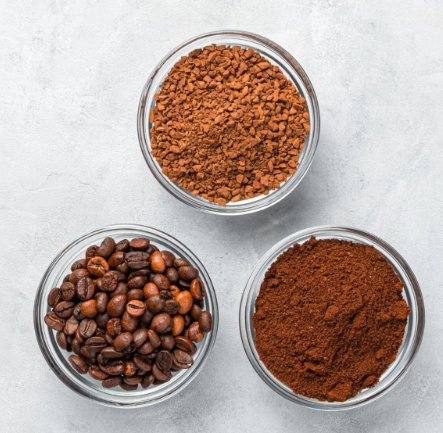
37.9% of drinkers consume instant coffee, 61.7% consume coffee beans and ground coffee and 0.4% consume other types of coffee.
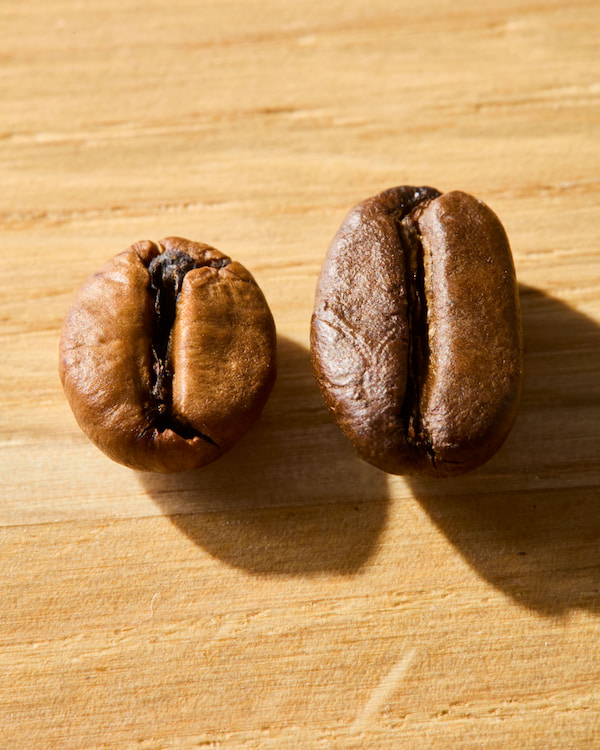
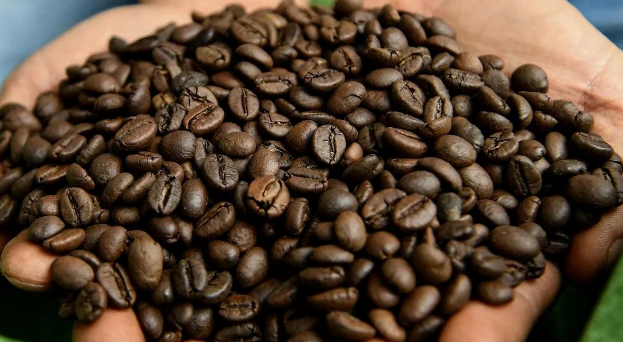
As regards the preferred type of coffee beans, in Romania the aromatic Arabica variety and balanced blends of Arabica and Robusta coffee continue to be preferred. Coffee beans and ground coffee are still consumed, but this year Romanians have shown interest in coffee capsules.
Consumption by age groups
28% of Romanians who drink coffee are between 35 and 44 years old, 27% between 25 and 34 years old, 19% between 45 and 54 years old, 15% between 18 and 24 years old and the remaining 11% between 55 and 65 years old.
In comparison, Bulgaria’s neighbors also drink more coffee (2.9 kg per capita per year), and in the Nordic countries they drink several times more coffee: 12 kg in Finland, 9.9 in Norway or 9 kg in Iceland.
The main players in the market
The main players on the market are Kraft Jacobs Romania, Strauss, Fortuna, Nestlé and Tchibo.
Overall, according to AC Nielsen, the top five largest players – Kraft, Strauss, Nestlé, Tchibo and Fortuna hold 82.8% of the market, by volume.
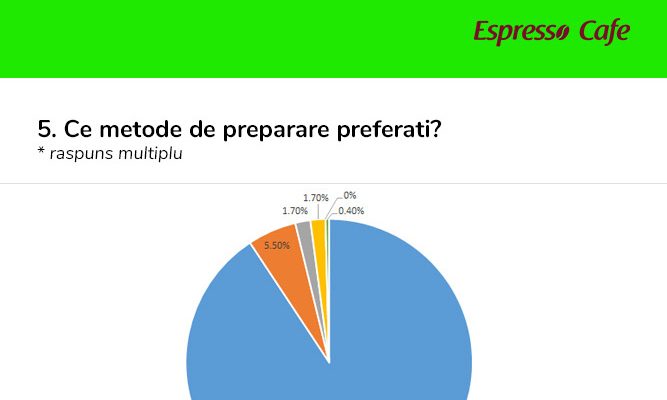
In October 2022 we conducted an online survey in which subscribers to the Espresso Cafe newsletter were asked to answer 8 simple questions about their preferences and particularities of coffee consumption. 239 people responded to the survey and the questions and answers are presented below.At the Espresso Café you can find the best coffee famous manufacturers of coffee. Enter the site now, choose the coffee that’s right for you and we will deliver it to you quickly.
Conclusion
Coffee has earned its place as one of the most beloved and widely consumed beverages in the world. For centuries, it has been enjoyed by people from different cultures, backgrounds, and generations, becoming much more than a simple drink. From its origins in Africa to its global popularity today, coffee has played a significant role in daily life, social interactions, and cultural traditions.
The journey of coffee from its early discovery to its current status as an international commodity is a testament to its enduring appeal. Over time, coffee cultivation spread across continents, leading to the development of diverse growing regions, unique flavor profiles, and countless preparation methods. Today, coffee is enjoyed in many forms, from traditional brewed coffee and espresso to modern specialty beverages, reflecting the versatility that has contributed to its widespread success.
For many people, coffee is an essential part of the morning routine. A freshly brewed cup often symbolizes the beginning of a new day, providing comfort, familiarity, and a moment of focus before daily responsibilities begin. The aroma alone can create a sense of anticipation and energy, while the taste offers a pleasurable experience that many consumers look forward to every day.
Beyond its role as a morning beverage, coffee also serves as a social connector. Friends meet over coffee, colleagues discuss ideas during coffee breaks, and countless conversations take place in cafés around the world. Its ability to bring people together has helped establish coffee as an important element of social and professional life. Whether enjoyed alone in a quiet moment or shared with others, coffee often creates opportunities for connection and communication.
The popularity of coffee can also be attributed to its stimulating properties. Many individuals appreciate the alertness and concentration it provides, making it a preferred beverage for work, study, and other mentally demanding activities. Combined with its rich flavors and cultural significance, these benefits continue to make coffee a favorite choice for millions of people.
Ultimately, coffee’s remarkable history and global influence demonstrate why it remains one of the most consumed beverages in the world. Its unique combination of flavor, tradition, versatility, and social value has allowed it to transcend generations and geographical boundaries. As coffee continues to evolve through new brewing techniques, specialty varieties, and changing consumer preferences, its importance in everyday life remains as strong as ever. Whether enjoyed for its taste, its energizing effects, or the rituals that surround it, coffee continues to be a cherished beverage that enriches the lives of people across the globe.
latest posts published

The Golden Café turmeric recipe

Definition: Hazelnut coffee – Cafés Méo
The definitive guide to coffee capsules: compatibility, flavors and problems for the planet
Is coffee high in calories?
What is the difference between instant and ground coffee?
How to make Italian coffee

Cold Brew: history and recipe for a refreshing revolution
What is robusta coffee?
How to clean the coffee machine