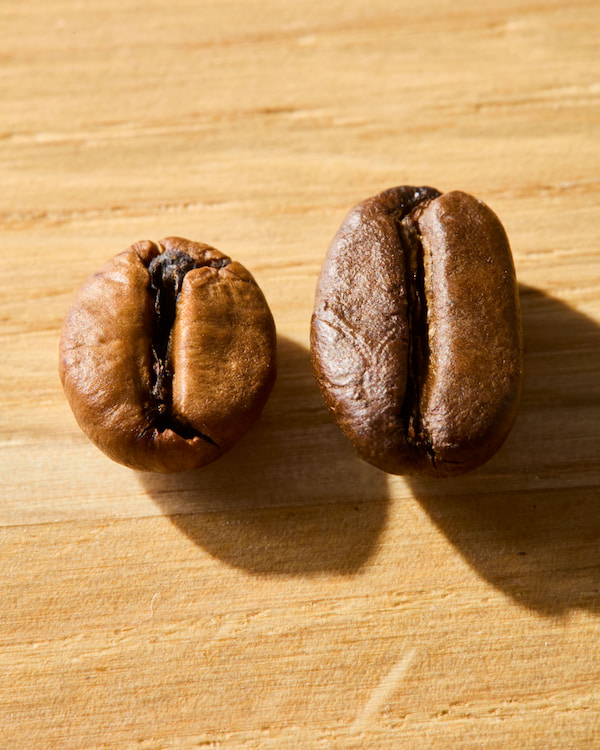

Cupping is the universal method by which specialty coffee professionals evaluate the quality of beans. In a world where origin, processing and roasting directly influence the flavor in the cup, cupping becomes the essential tool for discovering the true potential of a coffee. The seemingly simple process begins with grinding freshly roasted beans to a coarser grind. The powder is placed in identical cups and the first analysis is olfactory: the dry aroma reveals floral, fruity or dark chocolate notes, which already indicate the character of the coffee.
Subsequently, hot water at a temperature of 92–94°C is poured over the coffee, without stirring immediately. A layer of mud forms on the surface which retains the aromatic oils. Breaking the crust with a spoon releases these intense flavors, a crucial moment for evaluation. The noisy sip, practiced by experts, is not an eccentric gesture, but a technique to disperse the coffee in the mouth and stimulate all areas of the taste buds. Each sip is analyzed for sweetness, acidity, body, clarity and aftertaste, obtaining a complete profile of the coffee tasted.
The importance of cupping in professional coffee tasting

In professional coffee tasting, cupping is more than a simple taste test: it is a standardized system that allows for the objective comparison of multiple lots and origins. For specialty coffee roasters, this is when important decisions are made about adjusting the roast profile, bringing out the beans’ strengths and eliminating any flaws. Notes of tropical fruit, honey or spices, but also the balance between acidity and body, are aspects carefully analyzed.
For farmers, the tasting results are a testament to the work they put into growing and processing coffee. For the bartender, this process helps to acquire a deep knowledge of the main ingredient, influencing the way in which the extraction and presentation in the cup occurs. And for enthusiasts, cupping is a direct route to refining taste and developing a sensory vocabulary. Over time, professionals come to recognize the origin of coffee by smell and taste alone, turning every tasting into an exploratory experience.
How to make cupping at home for coffee enthusiasts
Although professional tasting takes place in specially equipped laboratories, cupping can be easily adapted for home use, giving surprisingly good results. You need freshly roasted coffee, a quality coffee grinder, identical cups (preferably glass or ceramic), an accurate scale, and filtered water. The standard used by professionals is around 8-10g of coffee per 150ml of water. Coarsely grind the coffee, put it in the cups and analyze the dry aroma. Pour in the hot water at the correct temperature and leave to infuse for three or four minutes. With a large spoon, break the layer of foam on the surface and inhale deeply to capture all the aromas released. Taste by sipping quickly, so that the coffee is distributed evenly in the mouth, activating all the taste receptors. If you try multiple origins, note the differences: pronounced acidity, velvety body, floral or fruity notes, long or short aftertaste. Over time, you will develop a taste memory that will help you choose the perfect beans for your tastes and better understand the universe of specialty coffees.
Conclusion
Cupping is more than a tasting technique: it is an exercise in awareness and a way to deeply understand specialty coffees. Whether you practice it in the lab with professionals or at home in your kitchen, this process helps you recognize the complex nuances of flavors and appreciate the work behind each bean. With each session you will sharpen your senses, learn to make better choices, and turn each cup into an authentic experience.
latest posts published
The Golden Café turmeric recipe
Definition: Hazelnut coffee – Cafés Méo
The definitive guide to coffee capsules: compatibility, flavors and problems for the planet

Is coffee high in calories?
What is the difference between instant and ground coffee?
How to make Italian coffee

Cold Brew: history and recipe for a refreshing revolution
What is robusta coffee?
How to clean the coffee machine