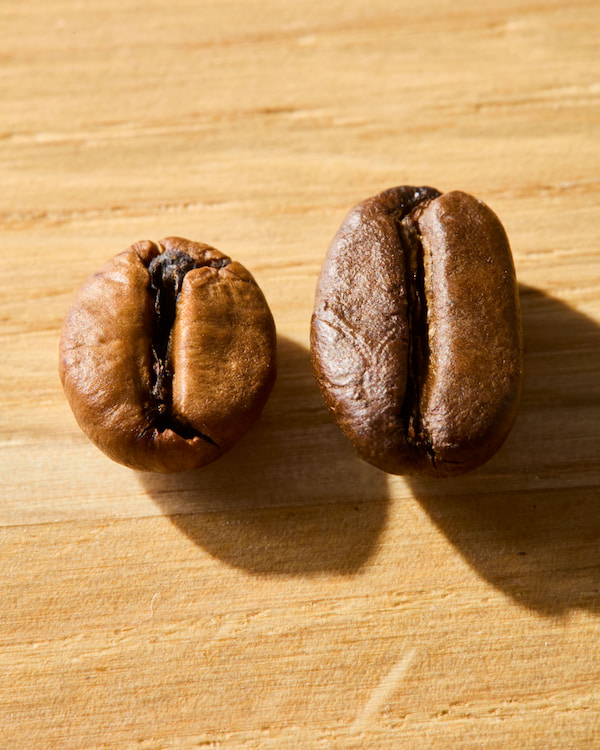

| What to remember: THE moka coffee is an ancient variety of arabic coffeenative to the Ethiopian highlands, recognized for its finesse and aromatic richness. The term mocha does not just designate a chocolate drink: it takes its name port of Mocha in Yemenformer coffee export centre. Grown between 1,500 and more than 2,000 meters above sea levelmocha benefits from slow maturation which favors fine acidity and great aromatic complexity. Moka coffee offers a delicate and expressive aromatic profilewith floral notes, red fruits and a persistence on the palate. |
A coffee mocha oh mocha ? Sometimes all it takes is one letter to sow confusion, and this is common when dealing moka coffee. So, is this a caffeinated chocolate drink or are we talking about one of… arabic coffees the most emblematic in the world?
Don’t panic, Café Méo explains everything you need to know about moka coffee, and as a first clue: it’s not a recipe! Definition, history and cultivation methods. In short, a return to the origins, origins (the highlands from Ethiopia) with incredible flavor notes that immediately distinguish a mocha coffee.
What do we actually call café mocha?
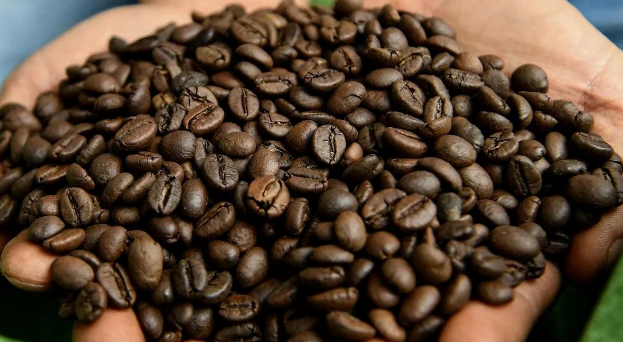
Mocha coffee it’s a variety Ancient Arabica coffee, renowned for its finesse and aromatic complexity. It is neither more nor less than the star of Arabica.
A high quality coffee that comes from the lands of highlands of Ethiopia, cradle of coffee arabica.
It takes its name from the port of Mocha (pronounced mocha) Yemenwhere local merchants quickly realized the commercial promise of such treasure. It is therefore from this Yemeni port that moka began to be marketed and exported to find success throughout the rest of the globe.
Today recognized as a quality coffee superior, the moka is appreciated for its taste balanced, its aromatic richness and natural elegance in the cup.
Moka or moka: why this confusion?
Except there is a confusion between moka and mokaand this misunderstanding finds its origin in the language of Shakespeare. In fact, the “CH” corresponds to the spelling English From «mocha”, which designates a brown colour heat. By extension, the name was associated with the drink based on coffee, chocolate, milk or cream, much appreciated in pastry shops and cafés.
THE moka coffee it is a single origin coffee. Naturally, it does not contain chocolate, cream or butter. If it sometimes evokes notes of chocolate, it is only thanks to the magic of its aromatic profile. THE throughout Ethiopia it is a pure coffee, based on cereals grown and roasted with care.
At the origins of moka coffee: terroir, history and culture in Ethiopia
Ethiopia it is unanimously recognized as the cradle of Arabica coffee. Over 60% of Arabica coffee varieties find their genetic origin in this area. A land that symbolizes the history of coffee itself.
The mocha has grown highlandsTO altitudes between 1,500 and over 2,000 metres. As conditions natural resources play a crucial role the quality of the coffee beans:
- Promotes a maturation slow cherries,
- a greater concentration of aromas,
- A acidity fine, balanced, highly sought after by lovers of single origin coffees.
The terroir of Ethiopian mocha: altitude, climate and soils
THE terroir Ethiopian mocha coffee benefits from this conditions exceptional. A unique combination of elements that give shape to high quality, aromatic and perfectly balanced coffees.
- The climate is temperate, with average temperatures between 15 and 25°C.
- Volcanic soils, rich and naturally fertile, they provide an ideal environment for growing Arabica coffee.
- Annual rainfall ensure a regular water supply to the coffee plants.
The mocha coffee culture is a preserved traditional know-how
In Ethiopiathe cultivation of mocha coffee is mainly small family farms. The plots are generally less than two hectares and cultivated according to practices traditional and demanding: Inatural shading is privileged, the mechanization remains limited and the use of synthetic chemical molecules is reduced. A practice that is often compatible with a organic farming.
This traditional culture, on a human scale, preserves the natural aromas of the coffee beans and respects the rhythm of the plant.
Harvesting and processing methods: the direct impact on taste
The mocha collection is carried out by handbetween October and January, depending on the region. Only cherries that have reached full ripeness are selected, to guarantee optimal quality of the coffee beans.
Exists three methods main of treatment. Each method shapes the final taste of mocha coffee:
- The washed method: the coffee cherries are depulped and immersed in water for at least 24 hours before rinsing and drying.
Result: a clear, floral, almost lemony coffee.
- The semi-washed method: some of the plant matter around the coffee beans is retained during drying.
Result: a perfect balance between sweetness and intensity with a slightly sweet touch.
- The dry method (natural method): the fruits are dried in the sun before being peeled. A technique that reveals fruitier aromas, a rounder body and sometimes marked notes of red fruits.
The aromatic profile of mocha coffee: a unique sensory experience
In the cup, the mocha coffee immediately stands out. A candy natural and perfectly controlled intensity. His taste it is both delicate and expressive, with a aromatic profile rich and nuanced.
There we find notes of red fruitsaromas floral and a light acidity which brings freshness.
The structure is fine, the balance is remarkable and the aromatic persistence persists on the palate. This is one of the reasons why the moka coffee is particularly appreciated in tasting pure, by lovers of single origin coffees and Arabica coffees with character.
The Cafés Méo selection: sublime Ethiopian mocha
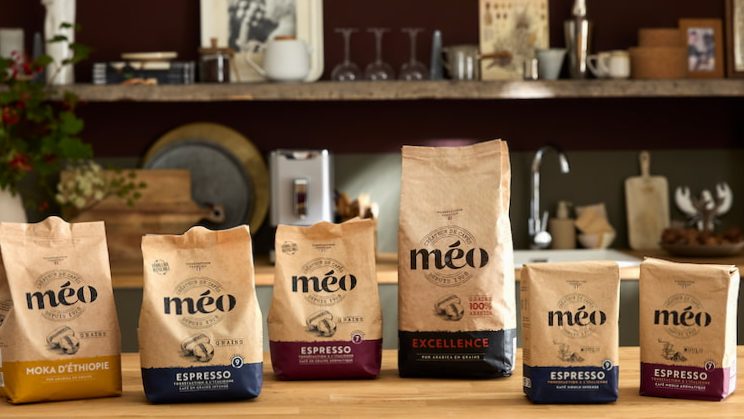
Chez Distortedwe select our cereals 100% arabica coffee with a constant demand for quality. They are chosen from the best terroirs of Ethiopia and offered in bulk in 250g, or packaged in 500g format to preserve all their freshness and their aromas, also for ground coffee.
Roasting it is sweet and controlled to respect the structure of the bean, to reveal the aromatic profile without altering it and to obtain a coffee of constant quality.
Do you know the Sidamo moka from Ethiopia?
The Sidamo moka from Ethiopia is an iconic 100% Arabica coffee. He promises you perfumes sweet and fruity apricot and a very aromatic character, without forgetting the delicate floral notes. A refined coffee, ideal for discovering all the richness of the Ethiopian mocha.
Mocha coffee he derives all his wealth from his terroirObviously culture traditional and his aromatic profile incomparable. AND an original coffee which invites you to slow down, to take your time, to savor each cup.
latest posts published

The Golden Café turmeric recipe

Definition: Hazelnut coffee – Cafés Méo
The definitive guide to coffee capsules: compatibility, flavors and problems for the planet

Is coffee high in calories?
What is the difference between instant and ground coffee?

How to make Italian coffee

Cold Brew: history and recipe for a refreshing revolution
What is robusta coffee?

How to clean the coffee machine