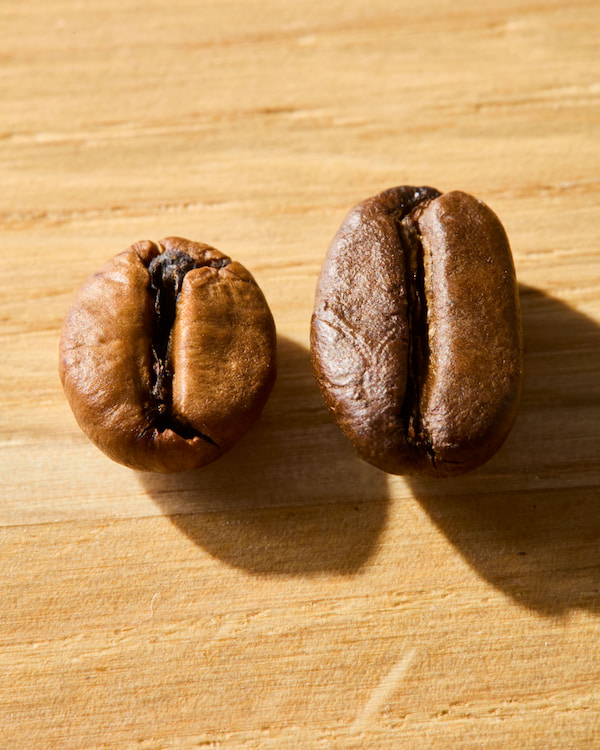

Decaffeinated coffee is a popular choice for those who love the taste of coffee but want to avoid the effects of caffeine. While many believe this option cannot provide the same flavor and flavor experience, modern processing methods have evolved, making decaffeinated coffee an alternative worthy of consideration.
What is decaffeinated coffee?
Decaffeinated coffee is coffee from which most of the caffeine has been removed. Typically, the decaffeination process removes about 97% of the caffeine, leaving a very small, almost negligible amount.
How does decaffeination happen?
There are several methods by which caffeine is removed from coffee beans:
- Water method (Swiss water process) – Hot water is used to dissolve and extract the caffeine from the beans, maintaining the natural flavors. The method is considered one of the safest and most environmentally friendly, since it does not use chemical solvents in the process. The coffee beans undergo several extraction cycles and the water used is filtered through a carbon system to remove caffeine without compromising the quality of taste.
- Carbon dioxide method – The beans are treated with carbon dioxide under pressure to remove the caffeine.
- Chemical solvent method – Solvents such as methylene chloride or ethyl acetate are used to extract caffeine from beans, but remain controversial due to possible health effects.
The benefits of decaffeinated coffee

- Less caffeine, but the same taste – Decaffeinated coffee allows coffee consumption without the stimulating effects of caffeine, such as insomnia or anxiety.
- Ideal for people sensitive to caffeine – People with high blood pressure, heart problems or caffeine sensitivity can consume decaffeinated coffee without worrying about negative effects.
- It can protect the heart and liver – Some studies suggest that even decaffeinated coffee retains antioxidants beneficial to liver and heart health.
Myths about decaffeinated coffee
- «It doesn’t taste good» – With modern decaffeination methods, this myth is overcome. Many consumers cannot distinguish between regular coffee and well-brewed decaffeinated coffee.
- «It’s 100% decaffeinated» – In fact, decaffeinated coffee contains a small amount of caffeine, but much less than normal coffee.
How to choose the best decaffeinated coffee
When choosing decaffeinated coffee it is important to pay attention to the processing method. The best options are generally those made with the Swiss Water method, as they use no chemicals and retain the original flavor of the coffee beans.
Decaffeinated coffee should not be considered an inferior choice. With modern decaffeination processes, it offers a great alternative for coffee lovers who want to reduce caffeine without compromising taste.
If you are looking for quality decaffeinated coffee that preserves the authentic flavor of coffee without the effects of caffeine, explore the range of decaffeinated products available now on Espresso coffee.
We deliver quickly by courier, directly to your home, so you can enjoy a delicious coffee without worries. Discover decaffeinated coffee and the perfect accessories to prepare a special coffee!
Here are some products we sell in the decaffeinated coffee beans category:
Conclusion
Decaffeinated coffee has become an excellent option for people who enjoy the rich aroma, comforting warmth, and distinctive taste of coffee without consuming significant amounts of caffeine. Over the years, advancements in coffee processing have transformed decaf coffee from a simple substitute into a high-quality beverage that can satisfy even dedicated coffee enthusiasts. Modern decaffeination techniques help preserve the natural flavors of the beans, allowing consumers to enjoy a cup that closely resembles traditional coffee in both taste and aroma.
One of the greatest advantages of decaffeinated coffee is its versatility. It allows individuals who are sensitive to caffeine, pregnant women following medical advice, or those looking to reduce their caffeine intake to continue enjoying their favorite beverage. It can also be a practical choice for people who want to enjoy coffee later in the day without worrying about potential sleep disturbances or feelings of restlessness. As a result, decaf coffee offers a balance between enjoyment and moderation.
In addition to its flavor benefits, decaffeinated coffee still contains many of the naturally occurring compounds found in regular coffee, including antioxidants that contribute to its popularity as part of a balanced lifestyle. While the caffeine content is significantly reduced, much of what makes coffee enjoyable remains intact. This makes it possible for coffee lovers to maintain their daily rituals and social experiences without relying on caffeine as the primary reason for drinking coffee.
The growing demand for high-quality decaf products has encouraged coffee producers and roasters to invest in better beans and improved processing methods. Today, consumers can find a wide variety of decaffeinated coffee options, ranging from light and fruity roasts to bold and full-bodied blends. This diversity demonstrates that choosing decaf no longer means sacrificing quality or flavor.
Ultimately, decaffeinated coffee proves that coffee enjoyment is about more than caffeine alone. It offers a satisfying alternative for those seeking flexibility in their coffee habits while preserving the sensory experience that makes coffee so beloved around the world. Whether consumed for health reasons, personal preference, or convenience, decaffeinated coffee continues to gain recognition as a flavorful, accessible, and enjoyable choice that allows people to appreciate the essence of coffee at any time of day.
latest posts published
The Golden Café turmeric recipe
Definition: Hazelnut coffee – Cafés Méo
The definitive guide to coffee capsules: compatibility, flavors and problems for the planet
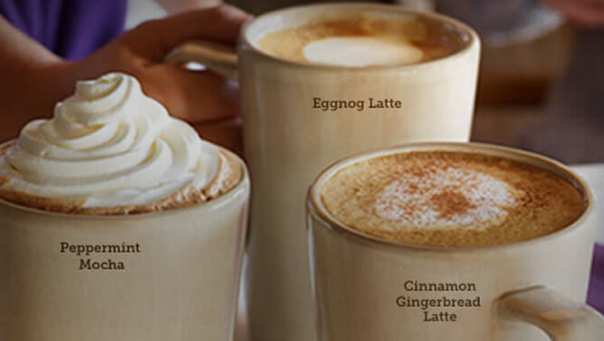
Is coffee high in calories?
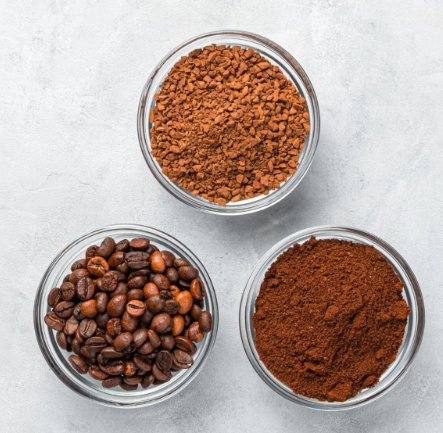
What is the difference between instant and ground coffee?
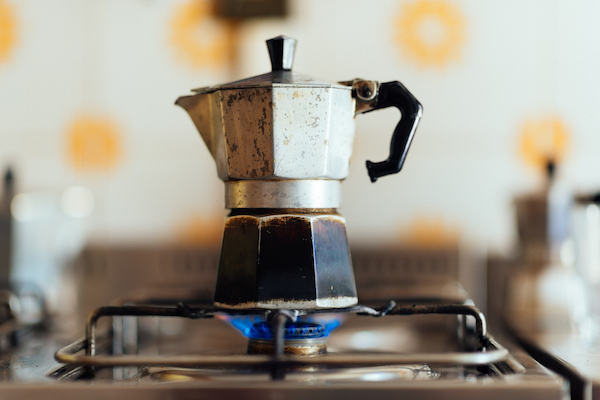
How to make Italian coffee
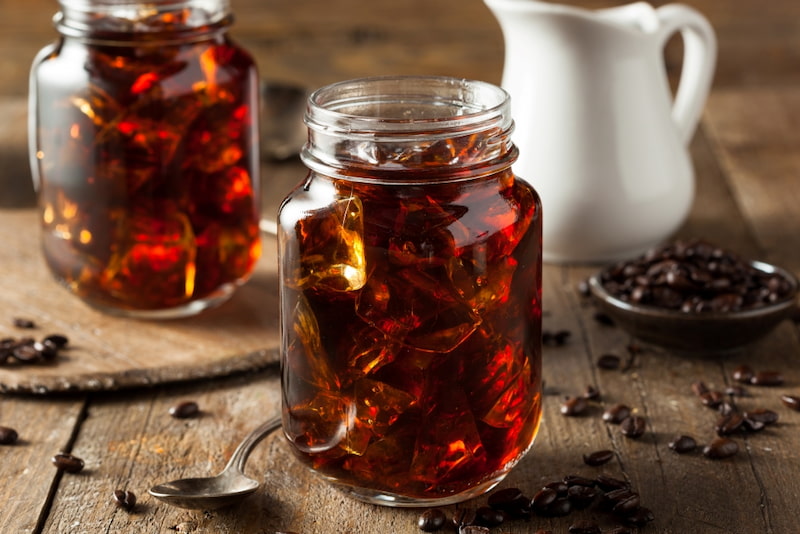
Cold Brew: history and recipe for a refreshing revolution
What is robusta coffee?
How to clean the coffee machine