Why is roasting so important?
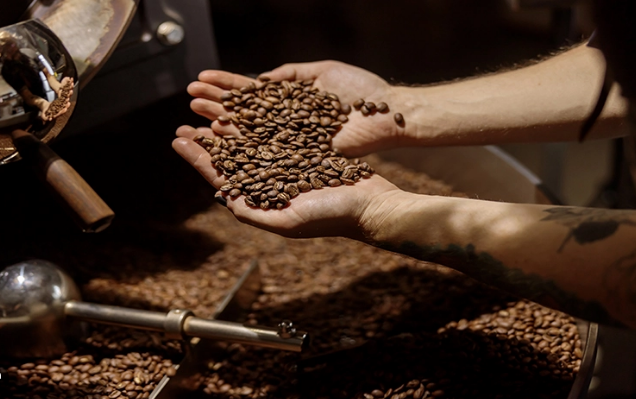
Coffee beans are more than just seeds; they are the essence of the drink we taste. In their natural state, green coffee beans exhibit none of the attributes we associate with the aroma and taste of coffee. Only through a meticulous roasting process do these beans undergo a magical transformation, developing hundreds of aromatic compounds that define the character and personality of the coffee.
In addition to the evolution of aromas, roasting also allows control over other essential aspects of coffee, such as acidity, body and flavor balance. Roasting does not just mean making coffee, but also sculpting it, giving it a unique identity.
In this article we will enter the fascinating world of fresh coffee roasting. We’ll find out how it’s made, what flavors are possible, and how each step of roasting can affect your coffee experience.
Phases of coffee roasting
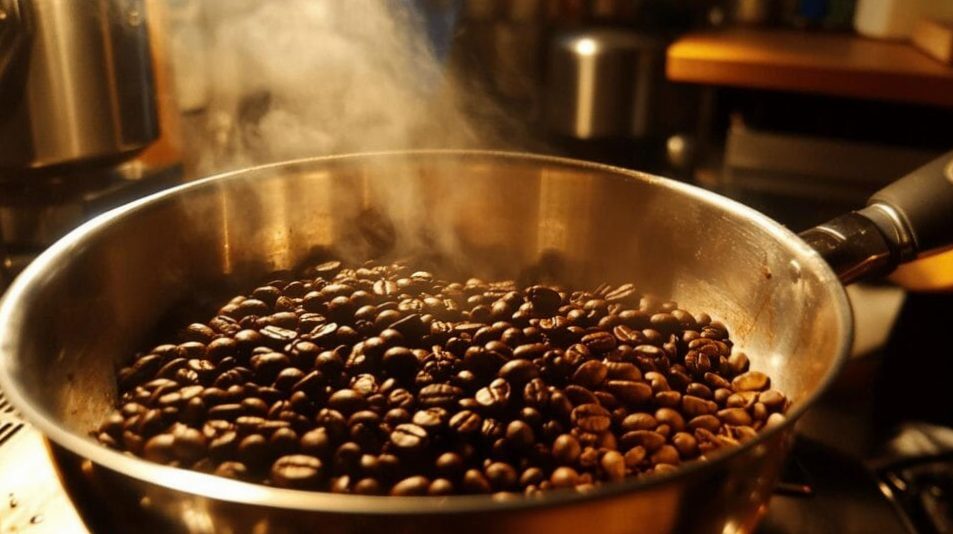
Drying phase: In the first phase, the coffee beans, with an initial humidity content of around 8-12%, are exposed to increasing temperatures to eliminate excess water. The duration of this phase usually varies between 4 and 8 minutes. It is essential to carefully manage the temperature to avoid overheating the beans and allow uniform drying. This phase prepares the beans for the actual roasting process.
Browning phase: Once the beans are dry, the browning phase begins, where the temperature rises to around 160°C. At this stage the beans begin to change color and reveal their characteristic aromas. The Maillard reaction is activated, which causes sugars and amino acids to react and create a variety of flavoring and coloring compounds. It is the moment in which the aroma of the coffee begins to take shape and become unmistakable.
Development or roasting phase: In this final phase the temperature continues to rise and the beans begin to crack slightly, signaling the start of the «first crack». During this phase the coffee intensifies its aroma and taste and the desired aroma compounds begin to develop in full force. It is essential to carefully monitor this phase to avoid excessive roasting, which can result in the loss of volatile aromas and flavor compounds.
The degree of roasting is a fundamental aspect of the coffee brewing process and directly influences the character and final flavor of the drink. It can be determined either by measuring the color of the coffee with a special colorimeter, or by tasting it.
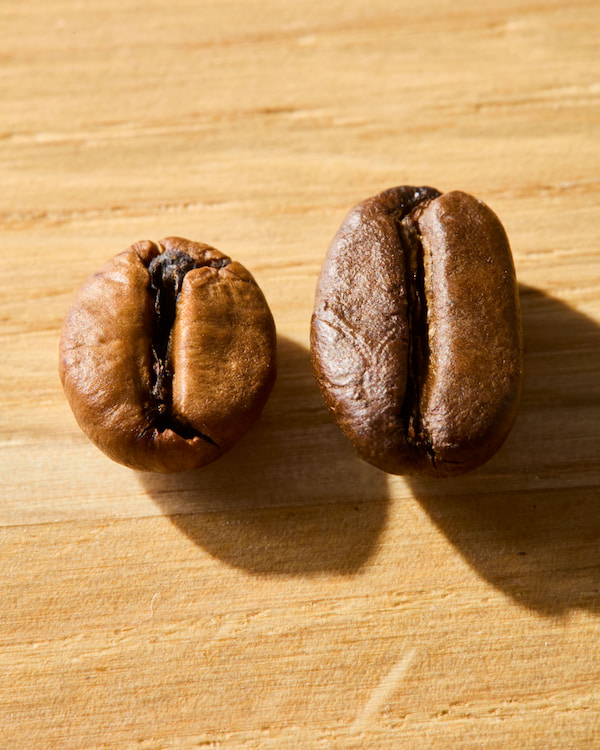
Roasters are always trying to improve the flavors of coffee and experiment with the degree of roasting to achieve the desired taste. Typically, light roasted coffees are more acidic, while dark roasted coffees are more bitter. Furthermore, fruity flavors prevail in light roast coffee, while roasted and burnt flavors are more pronounced in dark roast coffee.
For example, lightly roasted coffee is distinguished by its fruitiness, due to the presence of an organic compound called 5-hydroxymethylfurfural. As the roasting process progresses, this compound breaks down, giving way to sulfuric compounds that contribute to the toasty, burnt flavor. In general, lightly roasted coffee brings out the characteristics of raw coffee better and it can be easier to distinguish the different varieties.
Two main methods with which it is possible to evaluate the degree of roasting of the coffee: Using a colorimeter and tasting.
The colorimeter is a specialized instrument that measures the color intensity of roasted coffee beans. Lighter roasted beans will have a lighter color, while darker roasted beans will have a darker color. The colorimeter provides an objective measure of doneness, which can be helpful in ensuring consistency of the roasting process.
Coffee tasting is a subjective but very important method to evaluate the degree of roasting. Professional tasters can identify different aromas, flavors and characteristics of coffee depending on its degree of roasting. This method involves evaluating aspects such as acidity, sweetness, bitterness and specific flavors of roasted coffee. Tasting is a skill that requires experience and training, but it can provide valuable information about the quality and flavor profile of the coffee.
The difference between «light roasted coffee» and «dark roasted coffee»
Light roast coffee is roasted at lower temperatures and for a shorter period of time. The result is a coffee with a lighter color and a more lively aroma. Light roast coffee is often associated with fruity and floral notes, as well as a more pronounced acidity. Lightly roasted coffee beans can retain more of the original characteristics of raw coffee.
Dark roast coffee is roasted at higher temperatures and for a longer period of time. The result is a coffee with a darker color and a more intense and pronounced aroma. Dark roast coffee is often associated with flavors of chocolate, dried fruit, and even smoky notes. This longer roasting time can result in the loss of the coffee’s original characteristics, but can also impart a stronger body and more pronounced bitterness.
While the degree of roast is critical to the flavor of the coffee, the total roast time and the duration of each stage are also important factors. Fast roasting helps to obtain a greater quantity of the desired aromatic compounds, but care must be taken not to burn the beans. The aroma of the coffee becomes more intense, highlighting the fruity notes, similar to berries, chocolate or nuts. Furthermore, the quantity of aromatic compounds created in the initial development phase is greater in the case of rapid roasting.
The difference between a fast and slow roast
The difference between a fast roast and a slow roast lies in the pace and intensity of the roasting process, each of which has its own distinct impact on the characteristics of the resulting coffee.
Rapid roasting is characterized by shorter roasting times and higher temperatures. This method results in rapid extraction of aromas and a vibrant, lively coffee. However, rapid roasting can amplify all the flavors of the coffee, which in some cases can be undesirable.
Slow roasting, on the other hand, involves longer roasting times and lower temperatures. This approach allows the beans to develop gradually and reveal their flavors more subtly. Slow roasting can produce coffee with more complex and nuanced flavors, but requires careful attention to avoid over- or under-roasting.
References:
latest posts published

The Golden Café turmeric recipe

Definition: Hazelnut coffee – Cafés Méo

The definitive guide to coffee capsules: compatibility, flavors and problems for the planet

Is coffee high in calories?
What is the difference between instant and ground coffee?
How to make Italian coffee

Cold Brew: history and recipe for a refreshing revolution
What is robusta coffee?

How to clean the coffee machine